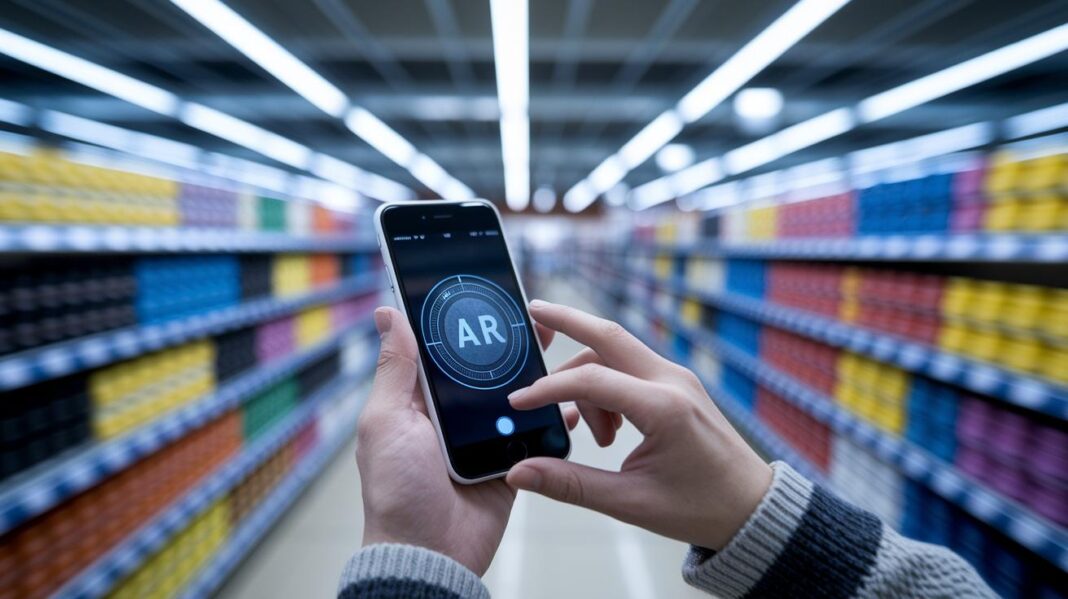
Have you ever wondered if shopping on your phone could feel like an exciting adventure? Augmented reality marketing brings that idea to life by blending digital creativity with everyday scenes. Now you can virtually try on items and explore products before making a purchase.
It’s not just a neat trick; it really works. Marketers see more engagement and happier customers using this approach. It’s like experiencing the buzz of a fresh campaign that transforms ordinary shopping into an interactive journey.
As more brands embrace this tech, every online experience becomes memorable. They create interactive moments that boost campaign performance and add a new dash of excitement to the digital marketplace.
How augmented reality digital marketing Transforms Campaign Performance

Augmented reality is shaking up campaign performance by blending physical spaces with digital creativity. Today’s brands are designing AR strategies that sprinkle interactive, engaging elements into everyday scenes. Picture strolling by a store and spotting digital overlays that let you try on products virtually. It sounds like something out of a sci-fi movie, but it’s happening right now. You might even see a simple sign saying, "Try on sunglasses virtually before you buy; see how they look on you in seconds."
AR brings digital content into the real world to boost brand awareness and drive conversions. For example, GUESS Eyewear’s virtual try-on feature in 2023 led to a 44% jump in engagement. This immersive method not only grabs attention but also makes it easier for shoppers to bridge the gap between virtual and in-store experiences. It even helps reduce return rates since customers know what to expect from the product.
With the rise of digital campaign technology and advanced AR creation tools, crafting augmented ads is more accessible and effective than ever. Imagine browsing on your phone and watching a 3D model of a new product appear right in your living room. It’s like having a mini product showcase just for you.
Key benefits include:
- Enhanced consumer engagement through interactive touch points
- Increased conversion rates with realistic virtual try-ons
- Improved brand recognition using immersive experiences
More and more industry players are investing in augmented ad development and digital campaign solutions. By embracing these innovative techniques, brands are taking the lead in modern advertising technology trends (learn more at https://adruckus.com?p=1269). This approach delivers memorable experiences that translate into tangible performance gains. Step by step, integrating AR is proving to reshape the connection with modern audiences and drive conversions in a big way.
Designing interactive ad experiences with augmented reality digital marketing

Interactive ad experiences are sparking excitement by mixing vivid storytelling with hands-on play. Picture this: you're scrolling on your phone when suddenly, a virtual demo of a new sneaker pops up, letting you explore every detail right from your living room. Take Pepsi's 2014 AR bus shelter campaign, for example, it scored around 385 million media impressions and boosted sales by 35% (a real game-changer).
These innovative ads let shoppers try products virtually before buying, which means fewer returns since you know exactly what to expect. Marketers are also tapping into mobile AR apps to merge digital fun with the real world. Imagine a quick AR game that draws you into a brand's universe, like stepping into a vibrant virtual store where digital replicas feel almost real.
Campaigns such as Warner Bros.'s Barbie Snapchat filter and Maybelline's virtual mirror showcase how practical tech meets creative storytelling. And when you look at Vodafone’s AR challenge in 2022, which attracted over 245,000 users, it’s clear that fun and function can work hand in hand.
Key components include:
| Component | Description |
|---|---|
| Interactive Ads | Capture attention and invite immediate engagement |
| Immersive Storytelling | Build genuine, memorable connections |
| Virtual Demos | Help consumers make informed purchase decisions |
In short, turning a standard ad into an interactive adventure encourages quick action and deepens the bond between consumers and brands.
Integrating AR content creation in digital marketing Technology

Creating augmented reality for digital marketing is like striking the perfect balance between art and technology. It needs crisp, high-res cameras, detailed 3D models, and specialized tools that help you build interactive content which truly pops on any smartphone. Picture shooting a product demo where every tiny detail gets captured, much like your phone snapping an ultra-sharp selfie before a big reveal.
Today, integrated AR tech connects these tools smoothly with digital campaigns. With platforms getting cheaper and more standardized, brands can experiment without blowing their budgets. Marketers now have live engagement features that add interactive layers once reserved for blockbuster productions. Imagine a furniture store app that lets you see a couch right in your living room, it’s not only cool but downright practical.
Modern AR social campaigns also mix in AI (artificial intelligence) and 5G networks, making real-time personalization a reality. Think of a digital product demo that shifts on the fly based on what you do. For instance, picture stepping into a virtual showroom that adjusts its display to match your interests, much like how your favorite streaming service tweaks its recommendations.
Key tools for success include:
| Tool | Description |
|---|---|
| High-resolution cameras | For capturing every little detail |
| 3D modeling software | For crafting realistic digital objects |
| Specialized development tools | For adding interactive features |
When these elements work in harmony, you can create smooth AR experiences that truly engage. Just look at major furniture apps, they show how AR on smartphones enhances user interaction and delivers live engagement, setting a fresh benchmark for creative campaigns.
Retail augmentation campaigns in augmented reality digital marketing Case Studies
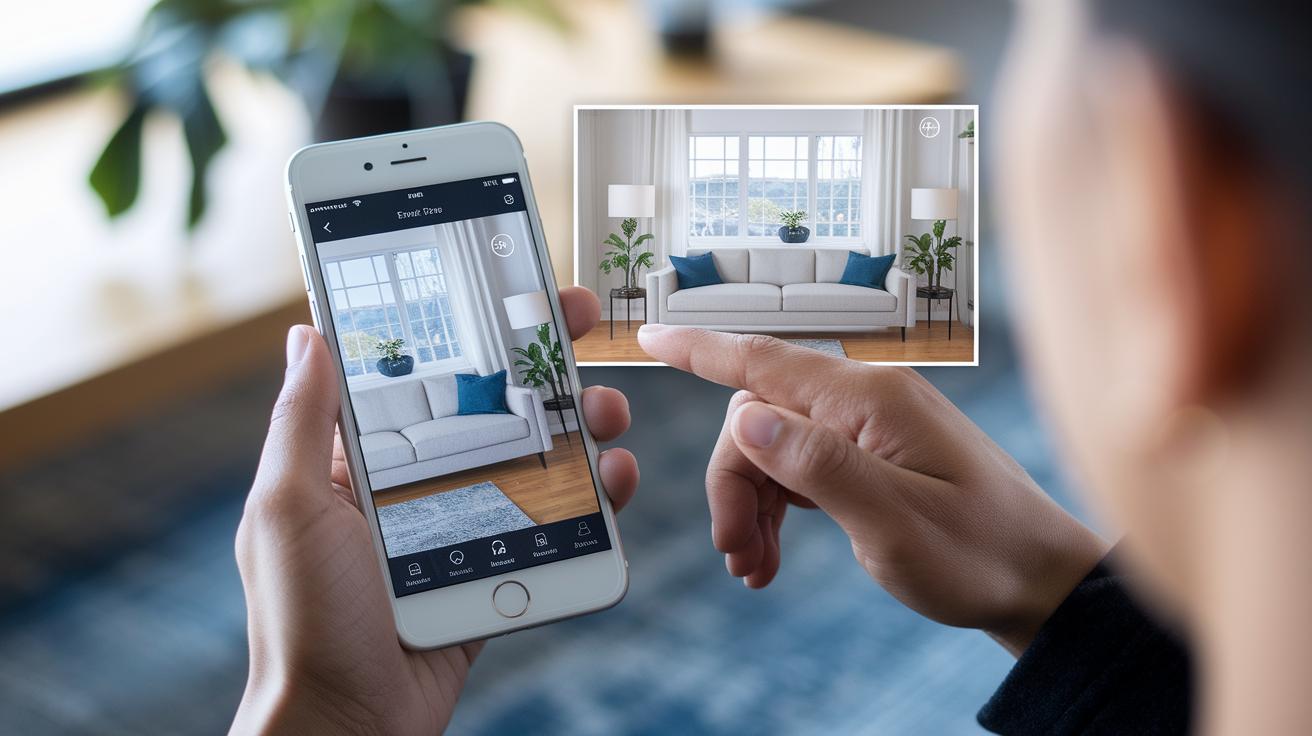
Retail augmentation campaigns are completely changing how we shop. Think about it: with apps like IKEA’s in-home AR tool, you can literally see furniture in your living room before you buy it. It’s like trying on clothes, but for your space, making style and fit super clear.
GUCCI’s 2019 virtual sneaker try-on ramped up their online sales by 300% (that’s three times more than before!). This shows that letting customers try products virtually isn’t just cool, it actually moves the needle for business. And then there’s Mercedes, who ditched old paper manuals in favor of AR-powered guides that put customers at ease. Arhaus, meanwhile, whipped down 800 fabric options to just 20 on their room visualizer to make decision-making simple and stress-free.
These examples prove that you don’t have to walk into a store to get an immersive experience. Marketers are now mixing digital overlays with real-life touches, adding a new layer of fun and engagement. From interactive displays to AR filters that play with light and texture, retail augmentation is a game-changer. Some brands even use this kind of experiential advertising to create memorable moments that stick with shoppers long after they’ve left the screen.
It’s a blend of technology and creativity that’s transforming old-school retail over and over. The end result? Higher engagement and more confident buying decisions that show just how powerful and personal digital marketing can be.
AR analytics tracking and measuring digital marketing ROI

AR analytics tracking gives brands a straightforward window into their digital performance. Imagine sitting down with a coffee and getting a real-time peek into what your customers are doing, like knowing exactly how long someone spends on a virtual try-on. It’s almost like measuring the pulse of your ad’s performance, and this clarity fuels smart, data-driven strategies that turn interactive experiences into real revenue.
Campaign performance numbers matter a lot when evaluating AR activations. Many brands report a 35% boost in sales and a 44% increase in engagement after adding AR to their campaigns. Tactics like tracking post-view purchase lift (basically, checking if a customer buys after interacting with your AR content) help marketers zero in on what works best in driving sales.
| Key Metric | Description |
|---|---|
| Session duration | The time a user spends interacting with AR content |
| Interaction rate | How often and deeply users engage with digital overlays |
| Post-view purchase lift | Improved buying behavior after engaging with AR |
| Return-rate reduction | Fewer returns because customers get a better look at products virtually |
Analytics dashboards that compile these metrics shine a light on the clear connection between AR interactions and customer lifetime value. In short, tracking AR analytics lets you see exactly how immersive ad experiences drive growth, turning creative insights into real business wins.
Emerging trends and best practices in augmented reality digital marketing
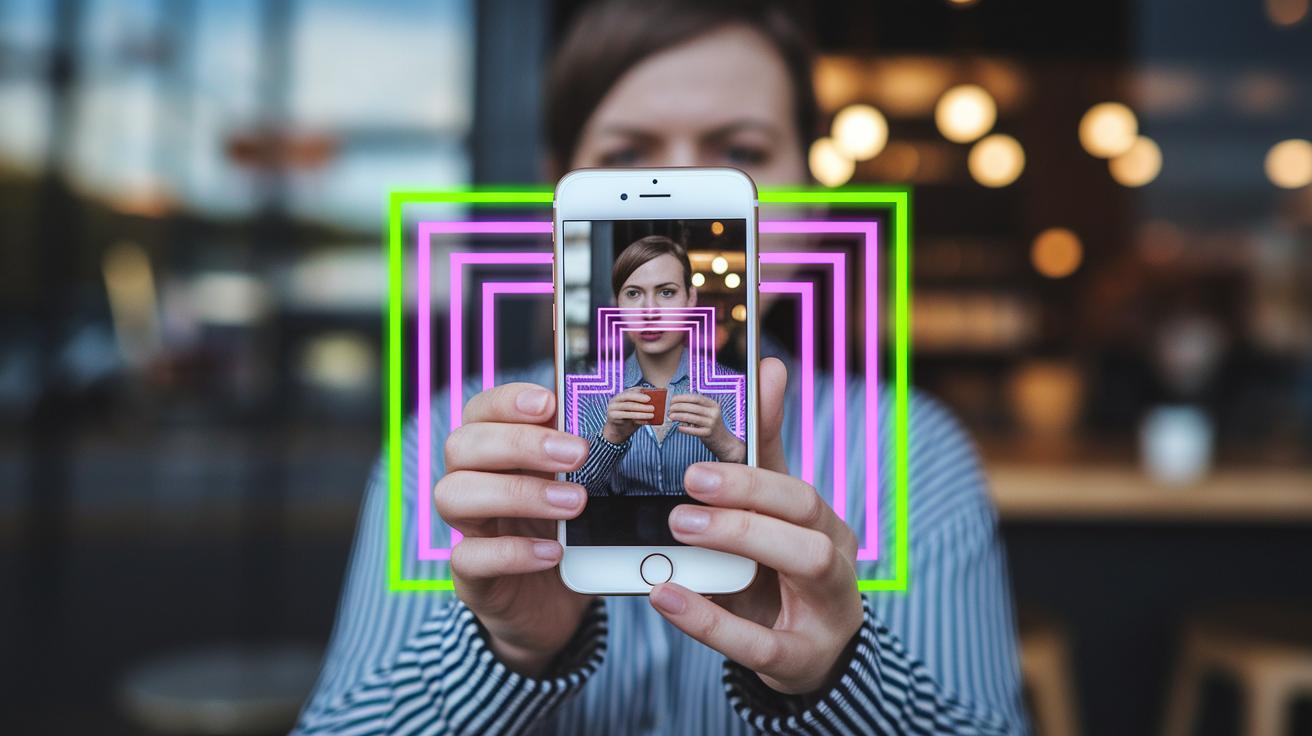
AR is quickly proving its worth by boosting engagement as brands mix digital elements with real-life experiences. Imagine scrolling through your feed and spotting an AR filter that suddenly turns your usual coffee shop into an interactive digital art space. It’s like stepping into a live story, one that makes ads not just seen, but felt.
As AR and VR team up with AI (artificial intelligence, which means smart computer programs) and faster 5G networks, we’re seeing experiences that are both richer and quicker. Think of it as upgrading from a basic chat to having a lively conversation in person. Consumers, especially younger ones, are all over this, thanks to lower device prices and more accessible immersive experiences. Marketers are riding this wave by testing small AR projects like in-app try-ons or filters on social media, gathering instant feedback before scaling up.
Key strategies include:
| Strategy | Description |
|---|---|
| Pilot AR filters and try-ons | Test small projects and use real-time feedback |
| Collect User Insights | Refine immersive experience designs based on feedback |
| Influencer Collaborations | Partner with influencers to create custom AR lenses |
| Leverage 5G and AI | Use fast networks and smart algorithms for real-time personalization |
For example, during a product launch, one clever idea is to let users virtually try on a new style through an AR lens. This not only grabs attention but also builds excitement and trust in the brand. These innovations are laying the groundwork for a future where AR in digital marketing keeps improving, making every consumer interaction deeper and more engaging.
Final Words
In the action, we saw how augmented reality digital marketing moves the needle on campaign performance, blending digital and physical touchpoints. Campaign strategies, interactive ad experiences, and tech integration all bring measurable results. Real-world case studies and precise analytics tracking are proof of concept that this work truly pays off. Emerging trends even promise more creative applications ahead, lighting the way for innovative advertising strategies. Trust the data, enjoy the ride, and keep exploring new ways to drive success.
FAQ
What do augmented reality digital marketing courses and strategies cover?
Augmented reality digital marketing courses and strategies cover how to create AR campaigns and design interactive ad experiences that boost brand engagement and conversion. They focus on blending creative storytelling with practical technology skills.
What do augmented reality digital marketing and marketing examples showcase?
Augmented reality examples in digital marketing showcase interactive tools like virtual try-ons and AR bus shelters that create immersive consumer experiences and drive impressive engagement and sales outcomes.
What does augmented reality in marketing research papers explore?
Research papers on augmented reality in marketing examine how AR influences consumer behavior, tracking metrics like engagement and conversion while providing insights on campaign performance and return on investment.
What are the benefits of augmented reality in marketing?
Augmented reality in marketing enhances consumer interaction by offering immersive product previews, interactive experiences, and measurable boosts in sales, making campaigns more engaging and effective.
What distinguishes virtual reality in marketing and its examples?
Virtual reality in marketing involves fully immersive brand experiences, with examples like VR product showcases that allow consumers to explore products in virtual spaces, offering a different dimension of engagement than AR.
What is augmented reality in digital marketing?
Augmented reality in digital marketing integrates digital overlays with the real world, enabling brands to offer interactive experiences that capture attention, drive engagement, and increase conversion rates.
What are the 7 types of digital marketing?
The seven types of digital marketing include search engine optimization, pay-per-click, content marketing, social media marketing, email marketing, affiliate marketing, and influencer marketing, providing diverse ways to engage consumers online.
What is an example of an augmented product in marketing?
An augmented product in marketing extends a standard product by adding extras like AR-based demonstrations or virtual try-ons, which raise consumer interest and add value to the overall purchase experience.
What are the four types of augmented reality?
The four types of augmented reality generally include marker-based AR, markerless AR, projection-based AR, and superimposition-based AR, each offering different methods to overlay digital content in real-world settings.