Ever wondered how some companies manage to thrive online? Digital marketing channels serve as the secret engine driving brands to new heights. They increase website visits, encourage audience interaction, and boost sales with notable efficiency. By tapping into strategies like SEO, social media, and various other tools, businesses can transform routine customer interactions into meaningful opportunities. This article explains how uniting these techniques can reshape your marketing strategy and help you capture attention in today’s competitive digital arena.
Comprehensive Overview of Digital Marketing Channels: Definitions, Benefits, and Best Practices
Digital marketing channels refer to the online tools and platforms that businesses use to promote their brands, products, or services. These channels play a vital role in attracting leads, building brand visibility, and boosting sales. With 68% of online interactions beginning at search engines and 72% of U.S. adults engaging with social media, these channels serve as the backbone for today's marketing efforts. For instance, one retailer experienced a 150% increase in website traffic within a month after optimizing its site, demonstrating the power of strategic improvements even before launching a major campaign.
In a competitive environment, companies depend on these channels to target audiences accurately and analyze campaign performance through robust data insights. Marketing methods cover a range of strategies from established techniques like SEO and PPC to innovative pathways such as influencer and podcast marketing. Each channel presents distinct benefits, enabling brands to connect with potential customers in measurable and impactful ways.
- SEO: Improves website visibility through enhanced content strategies and technical refinements.
- PPC: Generates immediate, targeted traffic through pay-per-click advertising campaigns.
- Social Media: Fosters strong brand communities on widely-used online platforms.
- Email Marketing: Maintains and grows customer relationships with personalized communications.
- Video Marketing: Engages audiences through dynamic and visually appealing content.
- Influencer Marketing: Expands reach and builds credibility by partnering with respected figures.
By combining these channels, businesses can achieve extended reach, improved customer engagement, and transparent metrics on return on investment. Successful strategies involve selecting the channels that best align with specific business objectives, continually testing new approaches, and fine-tuning tactics to secure both short-term gains and long-lasting growth. Integrating approaches like SEO with social media and email campaigns can amplify your message, drive conversions, and powerfully enhance your digital marketing strategy.
Search Engine Optimization: The Foundation of Your Channel Mix

Search engine optimization stands at the heart of digital marketing, making your website more visible and bringing in high-quality visitors. Optimizing your site for search engines not only boosts your ranking but also ensures a smooth and engaging experience for your audience. With nearly 70 percent of online journeys starting at a search engine, getting a headstart with SEO is key to building lasting success.
SEO takes shape through two main strategies. On-page tactics focus on aligning your content and fine-tuning technical details so search engines can understand your website clearly. For example, a blog post titled "Digital Breakthroughs in 2025" can reach a wider audience when it is enriched with carefully selected keywords and complete metadata. Meanwhile, off-page strategies work on establishing your site's credibility by earning quality backlinks that bolster your authority. Bringing both approaches together with a comprehensive digital marketing plan (https://adruckus.com?p=790) sets you on the path to a strong online presence.
- Conduct thorough keyword research to pinpoint and target phrases that drive organic traffic.
- Perform regular technical audits to identify and resolve errors quickly.
- Develop quality backlinks through strategic outreach to boost your site’s authority.
Pay-Per-Click Campaigns for Instant Visibility and Conversion
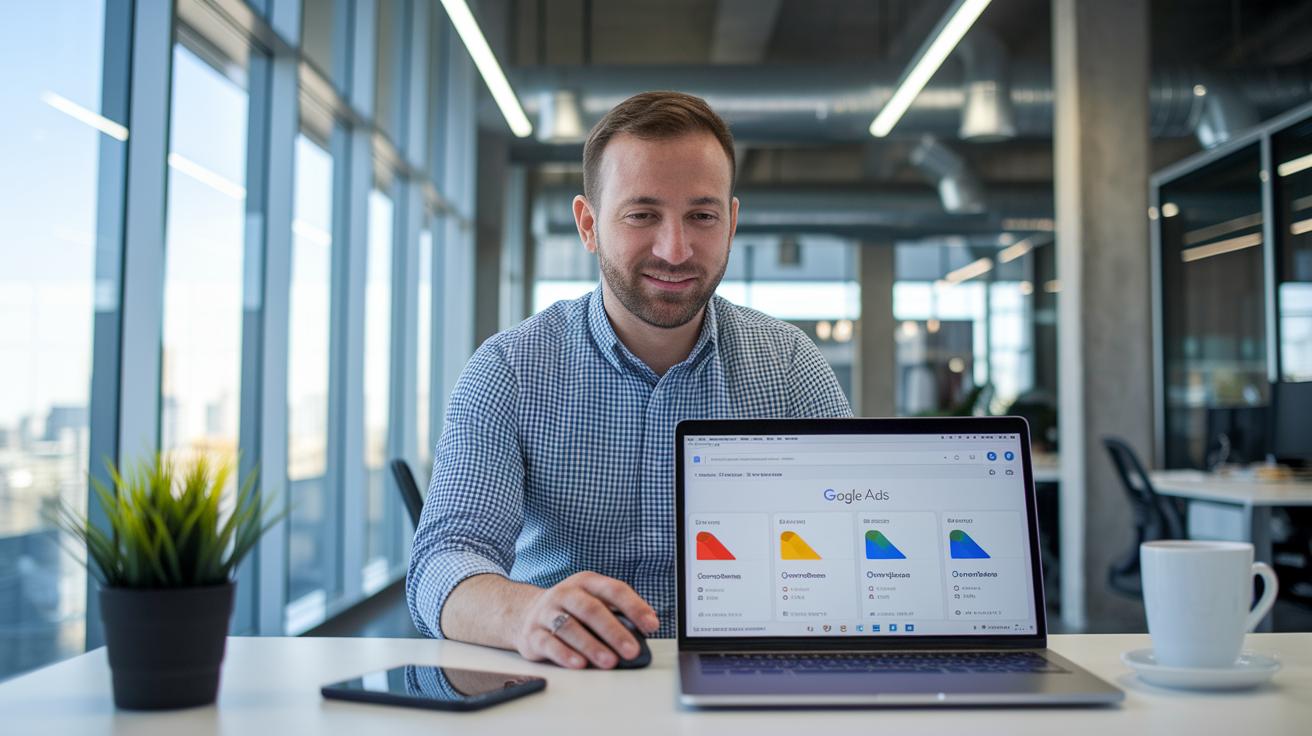
Pay-per-click campaigns give marketers a fast way to break into competitive advertising spaces while achieving instant recognition and rapid outcomes. These approaches allow companies to target prospective customers precisely when they are most likely to interact with the ad. For instance, one startup saw a significant boost in traffic soon after launching a customized Google Ads campaign, which clearly demonstrated the effectiveness of instant lead generation.
Selecting the appropriate platform is key to ensuring PPC efforts support overall business goals. Whether using Google Ads to capture search intent, Facebook Ads to tell a visual story, Instagram Ads to showcase dynamic product images, or LinkedIn Ads for professional engagement, every option brings its own advantages. Companies need to assess their target audience and campaign objectives carefully in order to choose the platform that best meets their needs.
Successful PPC management involves balancing budgets, fine-tuning bidding tactics, and monitoring performance consistently. Marketers are advised to set clear spending limits, adjust bids when necessary, and keep track of important metrics like click-through rates, conversion rates, and cost per acquisition to ensure a beneficial return on investment. Starting with smaller pilot campaigns and gradually scaling up those that perform well is the best way to refine strategies and boost overall efficiency.
Social Media Integration: Building Engagement Across Platforms

Effective social media integration begins with establishing clear goals that increase brand visibility and encourage authentic engagement. Marketers need to set precise targets such as improving customer retention, generating discussions, or driving more visitors to their website. It is crucial to select platforms that correspond with your audience's preferences, considering that about 72% of American adults actively use these networks. For instance, brief videos and engaging visual narratives can draw in viewers and promote immediate interaction.
Identifying the best social outreach channel means understanding the unique benefits each platform offers. It is important to assess which content styles most effectively deliver your marketing message while taking into account audience demographics and content consumption habits. This measured choice ensures that your content resonates with followers and reinforces your brand identity consistently across various channels.
| Platform | Active Users (est.) | Recommended Content Format |
|---|---|---|
| 2.8 Billion | Mixed Media | |
| 1.4 Billion | Visual Stories | |
| X (Twitter) | 330 Million | Short-Form Text & Videos |
| 810 Million | Professional Insights |
Coordinating social media initiatives with other marketing channels further amplifies their effectiveness. By aligning social media tactics with SEO, email outreach, and content marketing strategies, brands are able to create a cohesive customer experience. This comprehensive approach guarantees that messaging remains uniform, expands the reach to a wider audience, and ultimately results in enhanced engagement and measurable success.
Email Engagement Routes and Marketing Automation Systems

Email marketing is a remarkably economical channel that brings in an impressive return of about $36 for each dollar spent. Its low cost paired with a wide audience reach makes it an essential tool for businesses looking to boost engagement and drive conversions.
By dividing your email list into targeted segments, you can craft messages that resonate with each group. For instance, a welcome series can introduce new subscribers to your brand narrative, while an abandonment sequence can recapture the interest of shoppers who left without purchasing. Modern marketing automation platforms simplify these tasks by automatically responding to user actions, ensuring that every interaction is timely and relevant.
Prioritizing personalization is also key. Create subject lines that speak directly to each recipient and consistently monitor vital performance metrics such as open rates, click-through rates, and conversions. This focus on individualized campaigns not only increases engagement but also sharpens your strategy through practical insights.
Content Distribution Networks and Video Outreach Platforms

Today, content marketing comes in numerous forms including blogs, ebooks, infographics, videos, and podcasts. These diverse formats allow businesses to educate, entertain, and engage their audiences while reinforcing brand presence through both owned and earned channels. A successful content strategy typically features an editorial calendar that outlines topics, publication dates, and channels to ensure that every piece of content connects with its intended audience at the perfect moment.
A carefully managed editorial calendar not only organizes content production but also links multiple distribution channels to present a consistent brand story. Embracing interactive marketing tools can further boost audience participation, transforming static content into lively conversations, memorable experiences, and opportunities for building a community.
When it comes to video content, setting clear goals and gaining a deep insight into your target audience is essential. Whether your aim is to educate, entertain, or inspire a specific action, selecting the right platforms is key to matching your audience's viewing habits. Remember that the average viewer spends about 16 hours per week watching online videos, highlighting the significant influence of well-targeted video content.
Advanced Channels: Affiliate Collaboration, Influencer Routes, and Emerging Tactics

Advanced channels open the door to new marketing tactics that work alongside traditional digital methods. By exploring strategies like affiliate marketing, influencer partnerships, podcast advertising, and a mix of programmatic ad buying with retargeting, marketers can uncover fresh revenue streams, boost conversion rates, and refine their customer acquisition process.
- Affiliate partnerships: Utilize commission-based models where partners earn revenue from successful referrals.
- Influencer collaborations: Connect with niche influencers to drive genuine engagement and reinforce your brand's trustworthiness. For additional insights, refer to the influencer marketing analysis.
- Podcast advertising: Take advantage of a steadily growing medium that reaches millions of weekly listeners and engaged audiences.
- Programmatic and retargeting strategies: Combine real-time bidding with remarketing techniques to capture interest and convert potential customers.
When choosing advanced channels, ensure that each strategy aligns with your target audience and budget. Begin with small-scale tests for affiliate programs to gauge their impact before expanding investments. Similarly, while influencer collaborations can yield significant returns, detailed analysis and brand alignment are essential to guide your choices. Applying podcast advertising and programmatic methods with clear objectives and robust tracking can produce immediate engagement benefits. Keep a close eye on key performance indicators and iteratively refine your approach. This data-driven method allows you to adjust your digital marketing tactics, ensuring flexibility and a long-term competitive edge in a dynamic marketplace.
Multi-Channel Attribution and ROI Measurement Tactics

When it comes to digital marketing, real success depends on focusing on the essentials like leads, organic traffic, reach, and sales. By using conversion trackers, analytics dashboards, and integrated reporting tools, you gain the insights needed to figure out what is really driving results. For instance, when a brand leverages a conversion tracking tool and notices a 20% boost in organic traffic after refining its content plan, it can make smarter decisions about where to invest next. These tools are the core of identifying which parts of your campaign deliver the strongest return on investment and spotting areas that could benefit from improvements.
Attribution models work by assigning value to each customer touchpoint, allowing you to see how different channels contribute to conversions. Popular models include first click, which credits the initial customer interaction; last click, which focuses on the final engagement before conversion; and linear, which spreads credit equally among all touchpoints. Each of these approaches offers unique insights that can help you fine-tune your budget allocation and overall strategy.
- Regularly update your performance data and monitor your dashboards.
- Conduct monthly evaluations to refine your strategies based on emerging trends.
- Experiment with various attribution models to determine the best fit for your channels.
Final Words
in the action, the article explored the evolution of digital marketing channels, from defining core tactics like SEO and PPC to innovative social media, email, and content distribution methods.
It highlighted practical best practices and real-world applications, empowering marketers to blend integrated strategies with advanced channels such as influencer collaborations and programmatic ad buying.
The insights shared inspire confidence to experiment, measure, and optimize campaigns that truly resonate.
Embrace these learnings to boost your digital marketing channels and fuel continued success.
FAQ
Q: What are examples of digital marketing channels?
A: Digital marketing channels examples include platforms such as search engine optimization, paid advertising (PPC), social media, email marketing, content distribution, influencer collaborations, and video or podcast marketing to drive brand engagement.
Q: Where can I find a digital marketing channels PDF?
A: A digital marketing channels PDF typically refers to downloadable guides from reputable digital agencies that detail strategies, channel examples, and best practices for implementing effective online promotion using various digital methods.
Q: What are 5 digital marketing channels?
A: The five digital marketing channels often highlighted are SEO, PPC, social media, email marketing, and content marketing; each channel enhances online visibility and plays a distinct role in driving customer engagement.
Q: What are digital marketing channels and their types?
A: Digital marketing channels encompass the various online platforms and methods used to promote brands, including organic channels like SEO and social media, and paid tactics such as PPC, affiliate, influencer, and podcast marketing.
Q: How do digital marketing channels on YouTube drive engagement?
A: Digital marketing channels on YouTube focus on video marketing by providing engaging content, advertising opportunities, and influencer collaborations that help boost brand visibility and connect with diverse audiences through visual storytelling.
Q: What is covered in digital marketing channels Coursera quiz answers?
A: Digital marketing channels Coursera quiz answers typically cover definitions, classifications, and strategic applications of various digital methods, ensuring learners understand how each channel contributes to effective online promotion and measurable results.
Q: How many digital marketing channels exist?
A: There are numerous digital marketing channels, generally grouped into organic and paid categories. Common frameworks identify at least eight primary channels, though many strategies incorporate over ten methods based on specific business needs.
Q: What do digital marketing channels images depict?
A: Digital marketing channels images visually represent various online platforms and tactics, such as SEO dashboards, social media interfaces, email campaign layouts, and advertising creatives, illustrating how each method contributes to an integrated marketing strategy.
Q: What are the 4 types of digital marketing?
A: The four primary types of digital marketing include SEO, PPC advertising, social media marketing, and email marketing, with each channel offering a unique advantage in building brand awareness and driving customer conversion.
Q: Which channel is best for digital marketing?
A: The best digital marketing channel depends on your objectives, target audience, and resources; however, SEO and social media often stand out by providing sustainable, engaging, and cost-effective solutions for long-term growth.