
Ever wonder why some brands always nail it? They really get what their customers need and turn everyday chatter into clever strategies.
Imagine catching up with a buddy over coffee, trading stories that reveal secret trends in what people love. Real-life examples show that gathering feedback through surveys, peeking at social media hints, and even just chatting directly can spark major breakthroughs in how products are designed and marketed.
This deep dive shows that smart, simple insights can lead to big wins, proving that a good conversation might just be the spark that changes the game.
Real-World Examples of Consumer Insights Case Studies
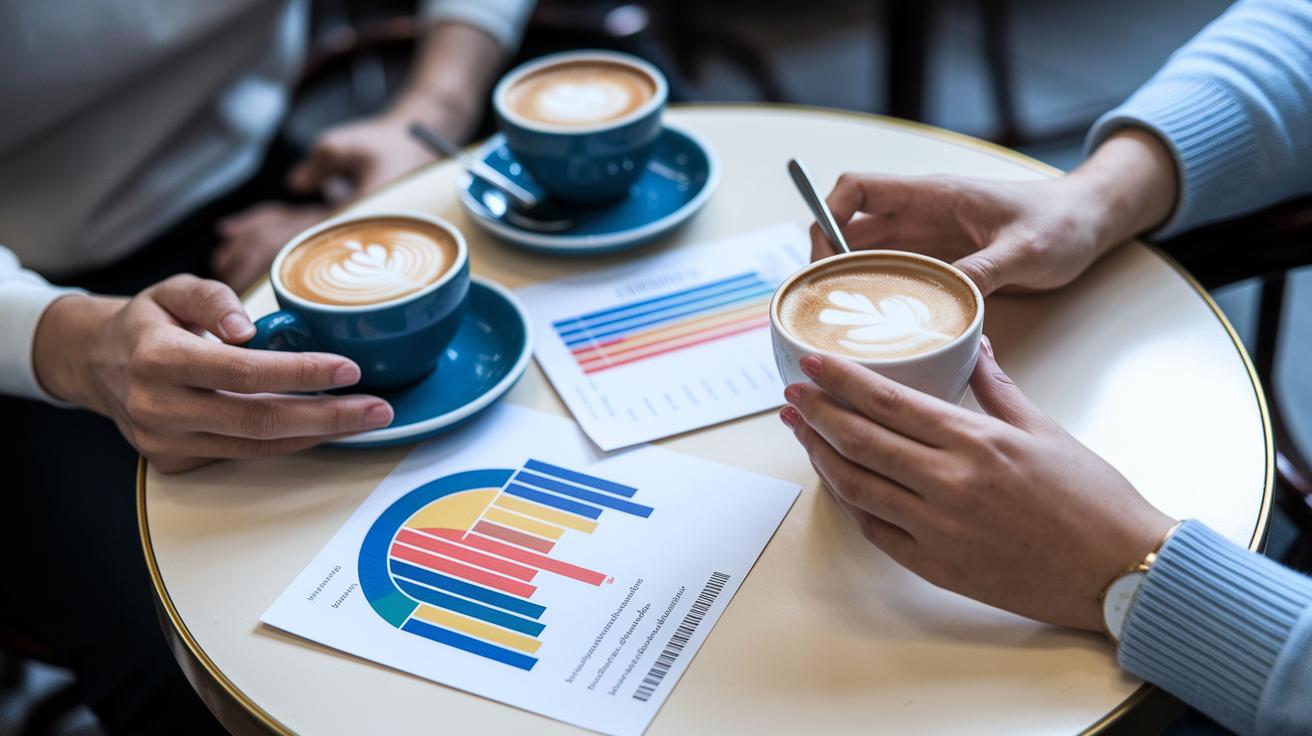
Consumer insights truly change the game in marketing. They show us what makes customers tick and help brands craft smarter products and messages. Imagine chatting over coffee and realizing that asking the right questions and using solid research methods can spark amazing results. These case studies shine a light on how real research directly boosts a brand’s success.
Next, these stories remind us that blending different methods, from surveys to deep social media looks, can fine-tune everything from packaging design to ad tactics. When brands take the time to really understand their audience, the payoff is measurable. For example, keeping an eye on purchase patterns (basically tracking how customers shop) can help companies pivot quickly and hit the mark.
Below are a few inspiring examples:
| Brand | Insight Method | Outcome |
|---|---|---|
| Coca-Cola | Social media sentiment analysis | Created personalized packaging that resonated with consumers |
| Whirlpool | Targeted consumer feedback | Improved product features focused on stain removal and fabric care |
| Lego | Co-creation workshops | Boosted new product adoption by involving customers directly |
| GoPro | User-generated content analysis | Guided future marketing and product strategies based on real usage |
| Bloom & Wild | Consumer surveys | Found a 79% preference for unique gifts, sparking a fourfold jump in Valentine’s Day orders |
Each case proves that mixing research techniques leads to deeper insights into consumer behavior. It’s the perfect blend of data and creativity that helps brands connect and convert with their audiences. Isn’t it amazing how a pinch of well-directed research can transform strategy into real business wins?
Research Methodologies in Consumer Insights Case Studies

Mixed-method research is a smart mix that brings together hard numbers and real-life interactions. It not only shows what consumers are doing but also digs into the reasons behind it. For example, one campaign found that brands combining in-home usage testing with hands-on focus groups boosted consumer trust by 30 percent. Cool, right?
Real-World Mixed-Method Approaches
| Method | Description | Example Brand |
|---|---|---|
| Concept and taste testing | Test the flavor appeal in food and beverage pilots using direct feedback | Leading Beverage Co. |
| Buyer personas & segmentation | Discover different audience preferences to sharpen messaging | Lego |
| In-home usage testing (IHUT) | Watch how products are used in daily life for real behavior insights | GoPro |
| Efficacy and claims testing | Evaluate product performance and confirm its benefits | Whirlpool |
| Packaging and pricing experiments | Gauge shelf appeal and value perception in controlled settings | Coca-Cola |
| Co-creation and crowdsourcing | Collect creative ideas right from the consumers | Lego |
Bringing together what consumers say and the numbers you gather turns basic data into clear, actionable strategies. Pair digital diaries with surveys to spot trends and uncover the feelings behind the choices. This blend fine tunes everything from your messaging to product features with clear, market-tested precision.
Measuring Impact: Metrics and Outcomes in Consumer Insights Case Studies

Consumer insights are more than just creative sparks, they bring real, hard numbers to the table. Brands lean on these measurable outcomes to turn a deep understanding of customers into everyday wins. Rather than guessing what might work, they rely on solid data that shows boosts in sales, better customer engagement, and smarter cost management.
Key Performance Metrics
Here are some key stats that consumer insights reveal:
- Sales lift – For example, Little Moons saw sales multiply by ten after honing in on the right audience.
- Return on investment (ROI) – This means the improvements clearly show that research spending was on point.
- Conversion rate improvements – Campaigns backed by insights have delivered conversion spikes of about 15–25 percent.
- Net promoter score shifts – These shifts indicate that customers are more likely to champion the brand.
- Churn reduction – Some strategies even cut the rate of customers leaving by roughly 10 percent.
These numbers help brands see exactly how well their research dollars turn into business success.
Business Impact Examples
Real-life stories really bring these metrics to life. Take Bloom & Wild: they enjoyed a fourfold jump in Valentine’s Day orders by using customer survey data that highlighted a move toward unique gift ideas. In another case, running flavor pilot tests helped save costs, estimates showed savings were 10 to 20 times lower than tweaks made after a launch. Plus, improved inventory planning led to nearly 30 percent fewer stock-outs.
All in all, weaving consumer feedback into strategies not only ups customer engagement but also gives your bottom line a big boost.
Segmentation Strategies in Consumer Insights Case Studies
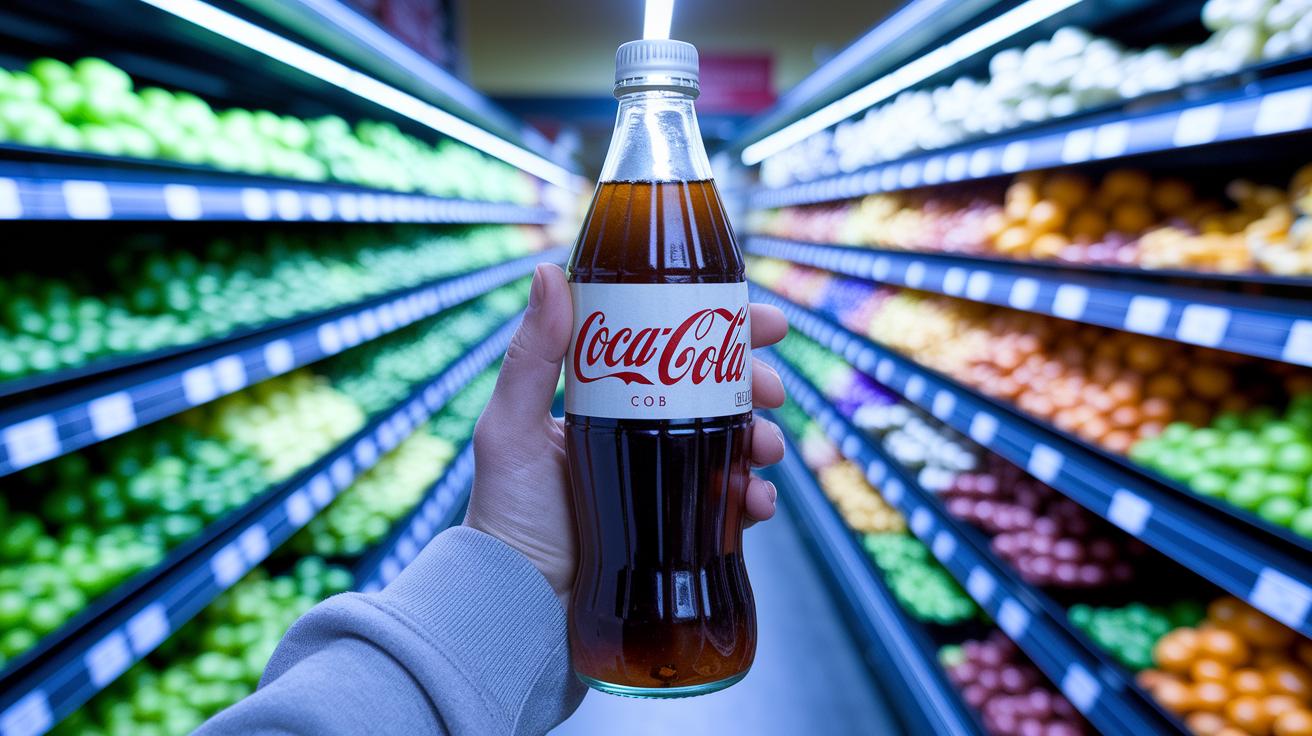
Segmentation is about breaking a large audience into smaller groups with common traits. This simple idea lets brands create messages and products that really click with each group. Imagine seeing your name on a product label, it feels personal, right? When brands slice their audience into neat segments, they better understand and serve what customers really want.
Coca-Cola showed us how to make marketing personal by using common names to craft labels that felt intimate. At the same time, Whirlpool grouped people by what they cared about in fabric care to fine-tune their detergent formulas. Both companies shifted from broad messaging to targeted chats, proving that a closer look at data makes all the difference.
Little Moons, GoCardless, and Bloom & Wild all found their own creative ways to reach different audience slices. Little Moons sparked viral growth by focusing on specific TikTok communities, while GoCardless segmented customers by business size to customize their payment messages just right. Meanwhile, Bloom & Wild split gift-giving occasions into clear clusters, ensuring that each offer hit home during personal celebrations.
Industry-Specific Consumer Insights Case Studies
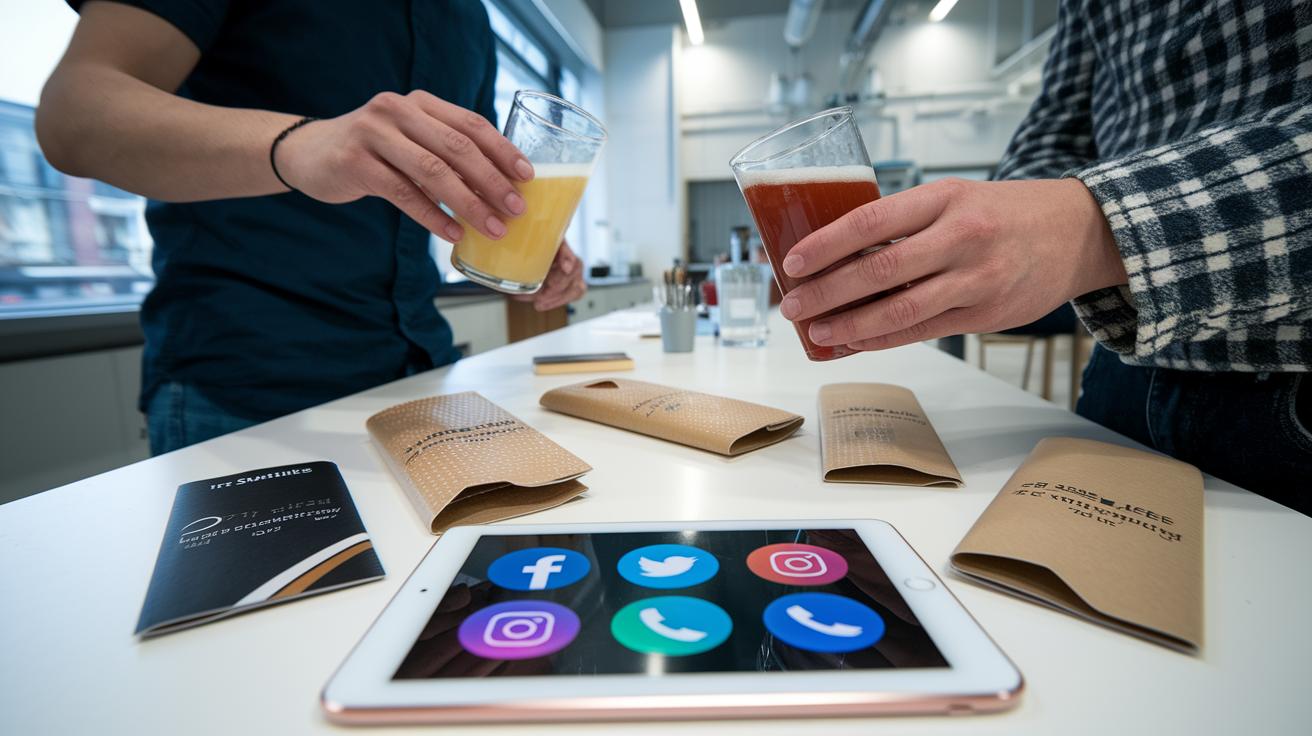
Every industry tunes into customer behavior in its own unique way. Brands mix social listening, taste testing, and digital data to catch the vibe of their audience and decide their next move. These stories show how focused research turns everyday habits into practical, game-changing strategies.
FMCG Sector Insights
In the FMCG world, taste tests, packaging trials, and online sentiment analysis are major players. For instance, Coca-Cola mined comments on Twitter and Facebook (social networks where people share their thoughts) to shape a campaign that really struck a chord with young consumers. Organic Valley used concept testing to pick the top three flavors, discovering name ideas that truly resonated. Meanwhile, a Japanese ice cream brand watched people enjoy their treats at home, tweaked the product based on natural usage, and saw revenue soar, up to ten times higher!
Technology & FinTech Sector Insights
Tech and fintech brands rely on modern tools to dig deep into customer needs. GoPro, for example, reviewed user-generated content that unexpectedly highlighted key product benefits, shifting design priorities on the fly. And GoCardless held journey-mapping interviews to spot where international payments got tricky. These talks helped them smooth out bumps in the process, refining both communication and product features.
Each of these cases proves that when brands use industry-specific insights, they can turn everyday behaviors into smart, strategic moves that boost both products and marketing efforts.
Actionable Strategies Derived from Consumer Insights Case Studies

Modern consumer insights now go beyond traditional surveys and focus groups. They mix classic techniques with current analytics to catch little habits and emerging trends as they happen.
Combine number-driven surveys with personal diaries and use predictive analytics (tech that predicts future trends based on current data) to get both hard numbers and the stories behind customer behavior. Think about it: a recent test showed diary entries picking up on a growing interest in eco-friendly products even before traditional surveys did.
Why stick to old co-creation workshops when you can boost them with lively online sessions that quickly test new product ideas? In one live session, participants even suggested a fresh tweak, a sudden feature change that sparked a new idea.
Try using AI-powered social listening tools that sift through heaps of online chatter instantly. Imagine this: a few casual comments about a product’s color change hinted at a spike in purchases, prompting a quick creative switch.
Experiment with advanced A/B testing that checks out tiny differences in messaging before a full launch. Run small tests, like asking, "Would customers like a friendly tone more than a direct call to action?", to fine-tune your final message.
Sharpen your customer journey mapping with simulation tech that spots potential hiccups before they hurt the experience. Picture a virtual checkout scenario that identifies a drop-off risk, signaling the need to simplify payment processes.
Use real-time personalization tools supported by data science to adjust your content on the fly for each audience group. One campaign even used dynamic content that shifted based on visitor behavior, showcasing custom offers to boost engagement.
Link advanced metrics to smart ROI dashboards that track performance and reallocate your marketing budget in real time. For example, one dashboard automatically moves funds when a message variant achieves a 15% lift, ensuring your budget works as hard as you do.
Emerging Trends in Consumer Insights Case Studies

AI-driven platforms are shaking up the research scene by catching shifts in customer sentiment and trends as they happen. Picture this: a system that instantly spots a sudden buzz on social media about your product, as if a flood of comments hints at a fresh, trending need. This clear, on-the-fly feedback lets marketers tweak their strategies in real time.
Integrated dashboards are getting smarter too, blending crisp survey numbers with the chatter from social media. Imagine an interactive display that brings together direct customer feedback and the everyday buzz online, revealing hidden opportunities you might otherwise miss. One campaign even saw a 15% boost in engagement just by combining these data streams into one slick dashboard.
Then there’s predictive modeling, a real game changer. Think of it like having a weather forecast for your customer’s tastes, spotting when a product might lose its shine before anyone else notices. This forward-thinking approach lets brands adjust their tactics well ahead of any potential pitfalls.
And let’s not forget agile insights-as-a-service. Using tools like digital diaries and video testimonials, this method speeds up testing new ideas. Imagine running a quick trial that leads to a small tweak, which in turn makes your campaign even more engaging by capturing real customer stories. This nimble approach gives brands that creative edge needed in a fast-paced market.
Final Words
in the action, these consumer insights case studies spark fresh ideas about digital strategies and practical outcomes. Brands from Coca-Cola to Little Moons show how a mix of detailed feedback and creative research drives successful marketing moves.
This discussion reminds us that smart data, combined with firsthand consumer insights, paves the way for real progress. The lessons here leave us feeling optimistic and ready for the market's next big step.
FAQ
Q: What can I learn from consumer insights case studies pdf resources?
A: The consumer insights case studies PDF offers clear examples of how brands use research methods to build effective campaigns, such as Coca-Cola’s personalized packaging effort, and provides a straightforward breakdown of strategic outcomes.
Q: What are some examples of consumer insights in marketing and advertising, including insight examples for students?
A: The consumer insights examples span advertising and academic contexts. For instance, GoPro’s user content analysis and sample insight statements used in student projects both demonstrate how clear, focused data drives creative messaging.
Q: How do consumer insights in marketing shape overall strategies?
A: Consumer insights in marketing drive strategies by revealing customer behavior and trends. These insights help brands refine product features, personalize communications, and adjust campaigns to better meet audience needs.
Q: What is an example of an insight statement?
A: An example of an insight statement is, “Consumers seek simple yet personalized interactions,” which captures a key consumer need and informs marketing efforts to focus on clear, relatable experiences.
Q: What career opportunities exist in consumer insights jobs?
A: Consumer insights jobs include roles in research analysis, data interpretation, and strategic planning, letting professionals influence product development and marketing tactics by translating consumer behavior into actionable strategies.