Ever wondered if social media ads really work? You're not alone. Many businesses have discovered that a smart ad campaign can boost growth by attracting new customers quickly. It's like shifting your business into high gear, with precise targeting and clear, measurable results fueling progress like a well-tuned engine.
Ad spending is set to grow big time in the coming years. In fact, these campaigns do more than just put your brand in the spotlight. They help companies grow fast and stand out in a crowded market.
Core Concepts of Paid Social Media Advertising

Companies are now turning to social media ads to spark growth. With targeted ads, they reach fresh audiences well beyond their current followers. Unlike organic posts, which depend on unpredictable engagement and shifting algorithms, paid ads offer a controlled, data-driven way to grab attention. Imagine a small brand that, instead of waiting for natural buzz, invests in a pay-per-click or display ad to create immediate interest. Start with a surprising fact: "By 2025, U.S. advertisers will spend over $82 billion on social media ads." This really shows the market's massive influence.
Every paid ad comes tagged as "sponsored" or "promoted," so users know they're seeing a paid message. Whether it's influencer-made content that feels authentic or a sharp display ad with a clear call-to-action, each type serves its own smart purpose. The key is all about precise targeting, tailoring the message to the right audience, and keeping track of measurable outcomes. Brands can monitor metrics like click-through rates (which tell you how many people clicked on the ad) and conversions (the actual actions taken, like purchases), then tweak their campaigns for the best results. Compared to organic posts, paid social ads deliver clear, quantifiable impacts that often lead to faster engagement and higher returns on investment.
Major Social Platforms for Paid Campaigns

Brands can now easily connect with focused audiences on major platforms. These online spaces let you tailor your ads and bidding strategies to meet specific goals. Take Facebook, for example. With 3 billion people logging in every month, it offers image, video, and carousel ads that instantly bring your message to life.
Instagram is another gem, hosting 1.16 billion accounts. Imagine a striking photo ad that grabs attention in a heartbeat, perfect for showcasing a new product. On LinkedIn, where 950 million professionals gather, brands can use sponsored content and InMail (direct messages aimed at decision-makers) to really make an impact. Then there’s TikTok with its 1 billion users, which offers energetic in-feed videos and branded effects that especially click with the 16 to 40 age group.
X (Twitter) buzzes with hundreds of millions of users, providing dynamic formats from video clips to carousel displays that keep conversations moving. Pinterest, loved by women aged 25 to 54, uses promoted and video pins to spark product discovery. Snapchat brings together 432 million daily users through immersive snap and story ads, creating memorable brand experiences. And on Reddit, its 1.2 billion monthly visitors let brands dive into niche communities with unique display, video, and sponsored post options.
| Platform | Monthly Active Users | Primary Ad Formats |
|---|---|---|
| 3 billion | Image, Video, Carousel, Sponsored Stories | |
| 1.16 billion | Photo, Video, Stories, Carousel | |
| 950 million | Sponsored Content, Text Ads, InMail | |
| TikTok | 1 billion | In-Feed Videos, Branded Effects |
| X (Twitter) | Hundreds of millions | Image, Video, Carousel, Promoted Tweets |
| 465 million | Promoted Pins, Video Pins | |
| Snapchat | 432 million daily | Snap Ads, Story Ads |
| 1.2 billion monthly | Display Ads, Video Ads, Sponsored Posts |
Strategic Planning and Budgeting for Paid Social Ads

Getting your paid social ads off the ground starts with solid planning. Marketers begin by setting clear goals that are easy to measure. With up-to-the-minute performance stats at hand, you can start small, test different ideas, and gradually increase your spending as the results roll in. This careful approach makes sure every dollar is tracked and improved for the best possible outcome.
Taking the time to research your audience and check out competitor ads (using tools like Facebook Ad Library, which lets you see what others are doing) can help you build a smarter bidding strategy. Essentially, you pay only when your target audience actually sees or interacts with your ad, ensuring that no cent goes to waste. Small test budgets give you a chance to tweak your message, visuals, and targeting based on immediate feedback before you pump more cash into the campaign.
Here’s a simple way to shape a winning paid social media strategy:
| Step | Description |
|---|---|
| 1. Define SMART objectives | Set goals that are Specific, Measurable, Achievable, Relevant, and Time-bound |
| 2. Conduct audience research | Learn who your audience is and what they care about |
| 3. Analyze competitor ads | Look at what others in your space are doing |
| 4. Select target platforms | Choose the social media sites where your audience hangs out |
| 5. Set initial budget | Decide how much to start with based on your goals |
| 6. Choose bidding strategy | Select a method that makes you pay only when warranted (like when your ad is seen or clicked) |
| 7. Plan scaling and budget adjustments | Prepare to adjust spending as more insights come in |
This step-by-step method turns your initial ideas into a thoughtful, data-driven campaign. Every stage gives you fresh insights into how your audience behaves and how your ad is performing, so you can spend wisely and tweak your approach as needed.
Precise Targeting and Audience Segmentation in Paid Ads

Social ad managers give you the ability to zero in on your ideal audience. You can pick basic traits like age and gender or get into the nitty-gritty with interests and behaviors (that’s what we call psychographics). Imagine running a campaign for sports lovers aged 18-34, it’s not just about pushing ads; it’s like having a friendly chat with people who really live for an active lifestyle.
Custom audience strategies let you keep track of who visits your website and then win them back with personalized messages. And there’s more! Lookalike audiences mirror your top customers to help you reach a broader but still relevant crowd. Then there’s geofencing, which targets users only in specific regions. Think of a restaurant chain offering a limited-time deal to local diners, it worked wonders when one neighborhood diner boosted lunchtime traffic by 40% after using location-based ads.
Highly segmented ads tend to beat broader campaigns. They speak straight to each group’s unique needs, sparking more engagement and better conversions. It’s like fine-tuning a radio until you hit the exact channel your audience is tuned into. This kind of precise targeting makes sure your message lands with the folks who are most likely to take action.
Creative Formats and Ad Design for Sponsored Posts

Paid social really changes the way brands tell their stories. When you mix in creative strategies, these engaging formats do more than deliver a message, they inspire action. Picture yourself scrolling through your favorite app and spotting an ad that feels so naturally part of the scene. That smooth blend not only grabs your attention but also builds trust with potential customers.
Good design starts with choosing the perfect format. Every option comes with its own technical details (like asset specs) and creative chances to add a clear call-to-action. Check out these six standout ad formats along with some handy design tips:
- Image Ads: Feature one bold image paired with sharp copy and a clear call-to-action. Tip: Keep the visuals simple and strong to grab attention right away.
- Video Ads: Use short clips with captions that clearly share your message. Tip: Make sure your video tells a quick story that connects with viewers.
- Native Sponsored Posts: Let your ad blend naturally into the regular feed. Tip: Imitate the platform’s style so the post feels like a seamless part of the content.
- Carousel Ads: Present a series of swipeable cards to highlight related products or features. Tip: Stick to a consistent visual theme across cards to guide your viewer.
- Story Ads: Opt for vertical layouts, perfect for Instagram or Facebook stories, complete with engaging visuals. Tip: Add a little motion or interactive element to spark immediate interest.
- Influencer-Generated Content: Team up with influencers to mix genuine visuals with your brand message. Tip: Work closely with them to make sure your voice and their style shine through.
By nailing those design details and picking the right ad style, brands can really boost their campaigns and drive both engagement and growth.
Tracking and Optimizing Paid Social Ad Performance
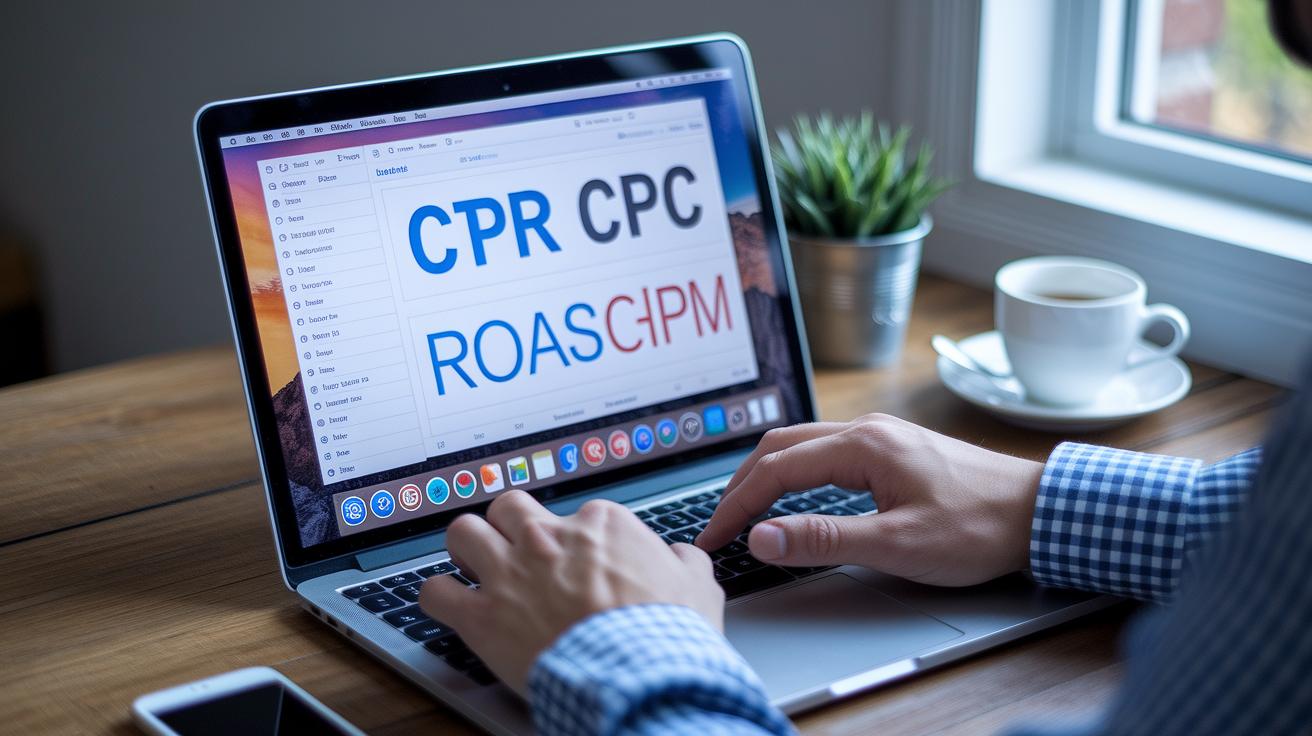
Keeping an eye on your paid social ads is key if you're chasing real results. Metrics like click-through rate (CTR), cost per click (CPC, which is what you pay for each click), cost per mille (CPM, meaning cost per thousand impressions), conversion rate, return on ad spend (ROAS, the dollars you get back for every ad dollar spent), and engagement rate tell you exactly how your campaign is performing. For instance, a small tweak to a visual boosted one retail campaign's CTR by 25%. Remarkable.
Tools like Facebook Ads Manager and TikTok Analytics give you live dashboards to watch these numbers as they change. In fact, using a dashboard similar to the one shown in this social media marketing analysis – https://adruckus.com?p=818 – helps you see which ads are grabbing attention and which ones might need a refresh. With these insights, marketers can set benchmarks and compare current results with past performance and industry standards.
A/B testing is another biggie. It’s a simple method where you run two versions of an ad to see which performs better. Imagine comparing two different headlines to find out which one drives more conversions. Tweaking visuals and copy in small increments often leads to steady improvements over time. By regularly testing and adjusting bids based on up-to-date results, you can boost ROAS and ensure every dollar has a purpose.
Regular reviews of these key metrics and nimble adjustments to your campaigns empower brands to shift gears quickly. This way, you can fine-tune your strategies for consistent, measurable growth.
Emerging Trends and Advanced Techniques in Paid Social

In 2024, the marketing scene is shifting, and campaigns are getting a real tech boost. Ads now use smart AI placement, which means they change on the fly based on live audience signals. It’s like snapping your fingers and watching your ad refresh itself, it’s both cool and efficient. And with real-time programmatic bidding (automated bids that adjust as campaigns run), every ad placement is optimized perfectly in the moment.
Dynamic creative optimization is another trend making a splash. This tool continuously tests different images and messages, so your ad always keeps a fresh look. Marketers are also loving automated bid strategies that save time while hitting the right note exactly when it matters. Interactive ad formats are stepping up the game too, inviting users to click, swipe, or dive into an immersive experience.
To keep up, it helps to check platform updates regularly and use machine-learning tools (smart software that improves its own strategies) to fine-tune your bids and creative delivery. For instance, one tool can even offer on-the-spot advice to adjust your strategy. Learn more about these powerful techniques at digital advertising trends. Embracing these changes today sets you up for more dynamic, responsive, and winning social ad campaigns tomorrow.
Real-World Case Studies and ROI in Paid Social Advertising

Look, real-life examples make it clear how paid social ads can create measurable results. One retailer set up straightforward retargeting ads and managed to reclaim 30% of abandoned carts. That statistic isn’t just a number, it means extra cash flow and even more sales. Picture a campaign that proudly declares, "Recovering 30% of abandoned carts turns missed opportunities into winning sales." It shows how well-focused ads can deliver instant rewards.
Another great story comes from a B2B brand on LinkedIn. They reached out to decision-makers with sponsored content, and guess what? They achieved a 15% conversion rate for in-app sign-ups. It’s like sitting down for a chat with professionals who are all in. That true 15% result proves just how crucial smart targeting is.
Many advertisers see their return on ad spend (ROAS, meaning how much cash comes back for every dollar spent) multiply to 2-3 times their investment. They start with a small budget, fine-tune their audience, and then gradually ramp things up. Success often kicks off with a test phase that supplies valuable data, much like following a clear roadmap where every step builds on the last. Handy tools like paid media planning templates help keep every stage organized and on track.
All these examples remind us that when paid social ads are done right, they not only boost brand awareness but also drive solid financial returns, a real powerhouse for business growth.
Compliance and Best Practices for Sponsored Social Posts

When you invest in social media ads, following the platform rules and legal guidelines is a must. Every paid post should clearly say "sponsored" or "promoted" so your audience instantly knows it’s an ad.
The FTC (Federal Trade Commission, the U.S. agency that sets guidelines for advertising transparency) requires influencers and brands to clearly point out when a post is sponsored. Messing up here isn’t just about penalties; it can really hurt your credibility. Plus, each platform, plus your local laws, might have its own extra rules. For instance, one network might need that disclosure front and center at the beginning of a video or at the very top of a graphic.
It might seem like a small detail, but unclear disclosures can bring big problems to your campaign. Being upfront builds trust and keeps you in line with both legal requirements and social media policies. It’s a smart idea to keep an eye on policy updates from each social site and stay tuned to changes in local advertising rules.
Regular reviews, content audits, and even chats with legal experts can help ensure your sponsored posts tick all the boxes. This way, your posts stay ethical and fully compliant, letting the true impact of your campaign shine through.
Final Words
In the action, this post breaks down paid social media advertising basics, from core ideas and platform comparisons to budget planning and audience targeting. It covers creative ad designs, performance tracking, emerging trends, and practical case studies with compliance tips. Each section offers clear steps for smarter market decisions. With every insight, the post reminds us that careful planning and agile tweaks can transform ad efforts. Stay motivated and optimistic, as refined strategies can drive impactful results.
FAQ
What is social media advertising and what types are available?
Social media advertising means paying for ads to reach targeted audiences on platforms. It includes formats like image ads, video spots, carousel posts, and influencer collaborations that extend your brand’s reach beyond organic posts.
What are some paid social media advertising examples?
Paid social media examples include promoted Facebook posts, sponsored Instagram stories, LinkedIn sponsored content, and TikTok video placements that mix engaging visuals with clear calls-to-action for improved audience interaction.
How much does paid social media advertising cost?
Paid social media costs vary based on targeting, platforms, and bidding models. Prices range from a few cents per click to several dollars, often prompting advertisers to test small budgets before scaling successful campaigns.
What are the benefits of paid social media advertising?
Paid social media advertising boosts your brand’s visibility by reaching beyond existing followers. It drives targeted traffic and engagement, which can lead to increased conversions and complement organic marketing efforts.
Is it worth paying for social media ads?
Paying for social media ads is worthwhile when you need to extend reach and drive measurable results. With precise targeting and performance monitoring, businesses can optimize spending to generate better returns on ad investments.
What is the 50 30 20 rule for social media marketing?
The 50 30 20 rule in social media marketing suggests allocating 50% of your budget to paid ads, 30% to creating engaging content, and 20% to promotional activities, balancing your overall digital strategy.
Do we really see 4000 ads a day on social media?
While it sounds extreme, the number of ads a person sees daily varies with usage patterns and platform algorithms. Exposure depends on individual habits and the way curated feeds display sponsored content.
What are the best paid social ads practices for 2024?
Best practices include using dynamic creative formats, precise audience segmentation, and AI-driven bid strategies. These methods enhance engagement and optimize conversion rates, making campaigns more efficient in today’s market.
How has paid social media advertising evolved since 2021?
Since 2021, paid social media advertising has moved towards more automated bidding, real-time data optimization, and advanced targeting techniques. This shift helps advertisers refine their campaigns and achieve improved results.
How do social media advertising and digital marketing relate to each other?
Social media advertising is a core part of digital marketing, working alongside SEO, content marketing, and other ad formats. It creates cohesive campaigns that boost brand visibility and drive traffic across various online channels.