Ever noticed how ads can feel out of sync with your needs? Now imagine an ad popping up right when you're at your favorite store or coffee shop. Geofencing advertising makes that possible. It uses details like your location (information about where you are) to send you offers just when you're most likely to be interested. Think of it as setting invisible boundaries that trigger friendly notifications as you go about your day. Over 2,000 leading brands have already taken advantage of this clever tactic. Curious to see how these targeted ads can amplify your message and deliver real results? Dive in and explore.
Geofencing Advertising Explained: How It Works and Why It Matters

Geofencing advertising works by setting up invisible boundaries around real-life locations using precise details like latitude, longitude, radius, and even duration. When someone steps into or lingers within these borders, the system fires off a personalized message, whether it’s a push notification, an in-app alert, or a quick SMS. Imagine a local shop sending out a “Limited time offer” just as you stroll by.
Marketers keep an eye on actions such as entering, lingering, or leaving an area to catch those ready to make a purchase. Think about a busy mall: a campaign might automatically send a discount coupon when you step out of a competitor’s zone, sparking interest and gently steering you toward a visit.
Over 2,000 top brands already use geofencing to boost foot traffic and drive in-store sales. Mobile location campaigns offer a smart way to connect digital outreach with offline shopping habits. For example, a travel app might set up a geofence inside an airport terminal to alert travelers about a gate change, delivering the right info at just the right moment.
This blend of cutting-edge tech, clear insights into customer behavior, and on-the-spot messaging transforms ordinary ads into engaging, data-driven interactions. With such a targeted approach and proven value, geofencing advertising is a savvy strategy for reaching customers at the precise moment they’re ready to decide.
How Geofencing Advertising Works: Technology and Mechanisms
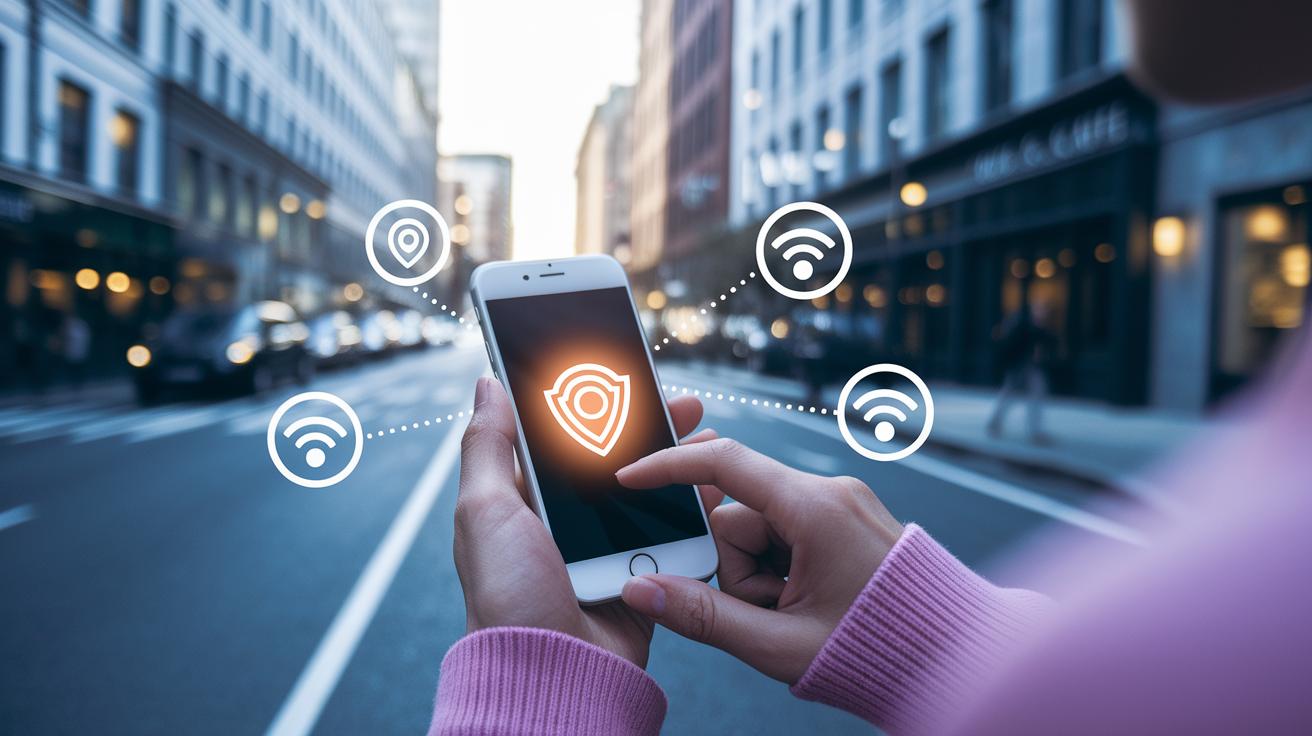
Ever wonder how your favorite brands know exactly where you are? Geofencing uses everyday tech like GPS (the system that pinpoints your location) along with Wi‑Fi, cellular data, and Bluetooth to create a digital map that feels almost magical. Marketers set these virtual borders using tools like Google Ads, Meta Ads Manager, custom software kits, or APIs. Imagine walking by your favorite coffee shop and suddenly getting a discount offer on your phone, it's like the buzz of a friendly nudge.
When you cross these digital lines, the system springs into action. Whether you step into an area, linger for a bit, or step away, a tailored message pops up at just the right moment. Thanks to geolocation APIs, these alerts are timely and feel almost personal, as if they’re right there with you while you’re outside a store, hinting at a special deal waiting just inside.
What really sets this apart is turning simple location cues into live, on-the-go campaign triggers. By harnessing digital targeting and smart ad boundaries, marketers transform everyday movements into golden opportunities. It’s all about making your routine a chance to connect and create memorable moments, all while driving real, measurable results in the ever-changing digital marketplace.
Benefits of Geofencing Advertising for Local Businesses and ROI Impact
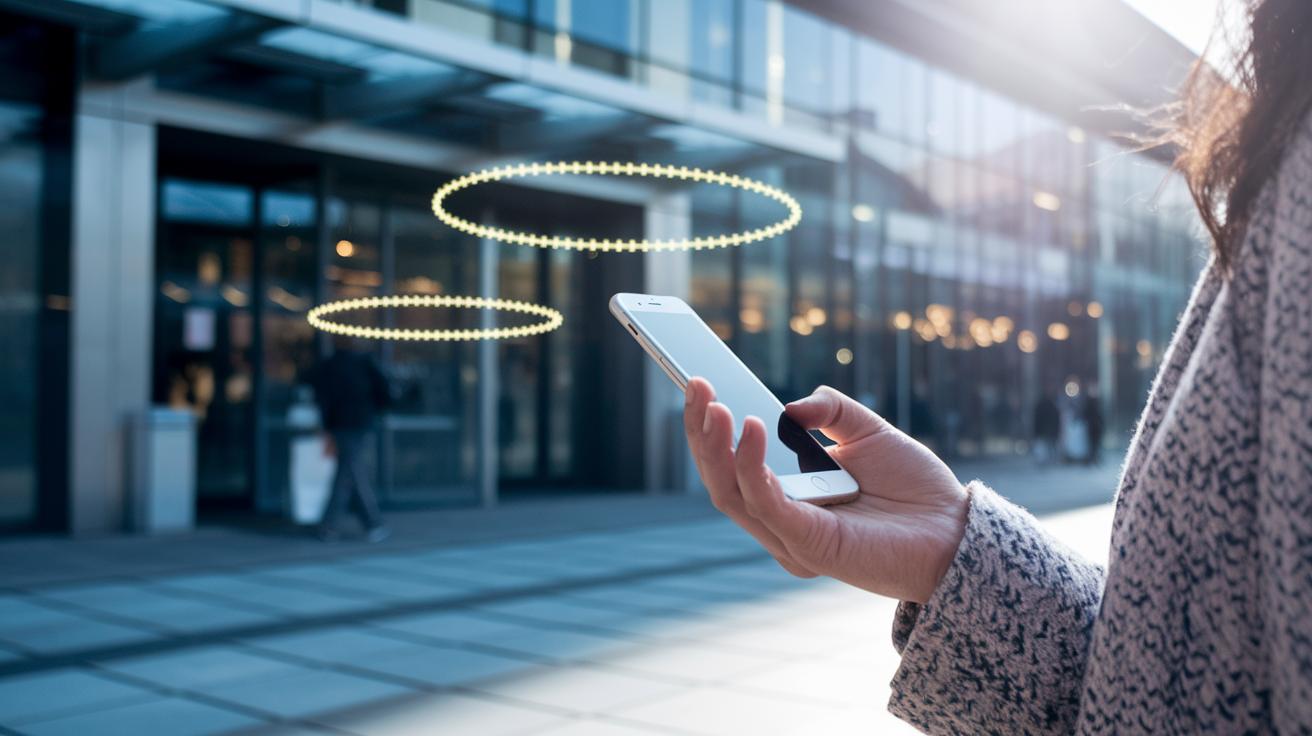
Geofencing advertising is a smart way to reach shoppers who are ready to engage. Imagine drawing invisible lines around busy spots like malls, shopping centers, and airports, and then sending special offers as soon as customers come close. It’s like getting a timely tap on the shoulder that turns online interest into real store visits.
Take this example: one grocery chain used geo-targeting near competitor locations and achieved a 4.69% conversion rate, three times above the usual average. This kind of result shows just how effective geofencing can be for catching the attention of local buyers. Plus, physical stores are noticing better returns on their ad spending when they tailor their messages just right.
Marketers love geofencing because it lets them create messages that hit home, based on where people actually are. Imagine passing by your favorite store and getting a discount alert right when you need it, it feels personal, and over time, builds trust and loyalty. This technique not only boosts customer engagement but also makes sure every ad dollar is well spent.
| Benefit | Explanation | Result |
|---|---|---|
| Increased Foot Traffic | Targets busy areas to drive more in-store visits | Conversion rate boost of 4.69% |
| Improved ROAS | Makes ad spending smarter for physical retailers | Noticeably higher returns on ad spend |
| Enhanced Engagement | Sends timely, personalized offers to local shoppers | Stronger customer loyalty |
Geofencing Advertising Strategies and Best Practices

For top-notch geofencing advertising, it's all about zeroing in on the right crowd. Segment your audience by what they do, where they go, and even what they've bought before. Picture this: a bunch of shoppers who love visiting busy centers receiving a timely nudge when they're nearby. It’s like turning everyday movement into golden conversion moments.
Clear boundaries are your secret weapon. Think of setting up a geofence as drawing a map that highlights only the spots where eager buyers hang out. When a notification pops up right when someone is in that zone or lingering a bit longer, it acts like a friendly reminder that feels just right.
Messaging is key too. A simple line like “Grab your exclusive discount while waiting!” tells customers exactly what’s in it for them while building trust. It’s this smart mix of pinpoint targeting and timely offers that moves your campaign from basic ads to real conversations.
And remember, keep experimenting. Track things like click-through rates (how many people tap on your ad) and conversions, then fine-tune your approach for even better results.
- Audience segmentation accuracy
- Boundary precision
- Timing notifications effectively
- Delivering value-driven messages
- Ongoing testing and optimization
Geofencing Advertising Case Studies and Success Examples
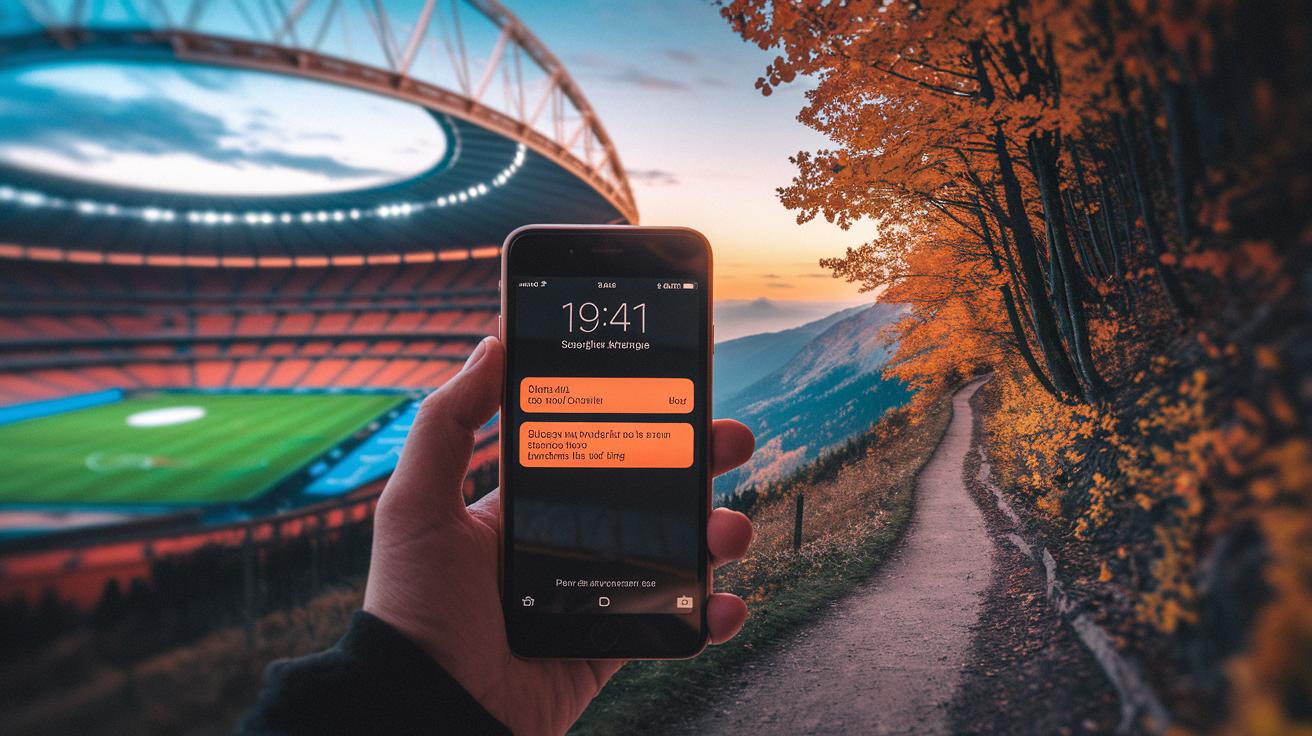
At a big sports arena, geofencing sent instant alerts to fans about snack deals and merch offers during game breaks. This smart move upped in-stadium buys by 35%. Picture this: you’re cheering on your favorite team when your phone pings with a special discount on your go-to snack.
A trendy clothing store used geofences in busy urban spots to announce flash sales, drawing 50% more visitors during busy sale times. Imagine getting a quick message on your way home that a flash sale is happening right then.
An outdoor gear company set up geofences near popular hiking trails to send weather updates and product tips to outdoor lovers. This move boosted both online questions and store visits by 27%. Think about a hiker getting a timely alert featuring the best waterproof jacket just as dark clouds signal change.
Geofencing Advertising Setup: Step-by-Step Campaign Guide

Let’s start simple. What do you want your campaign to do? Imagine planning a road trip, you need to know your destination before choosing the route. Begin by setting clear goals and deciding exactly who should see your ads. Tools like Google Ads or Meta Ads Manager (which help target the right people) let you draw a circle on a map. They even let you craft custom shapes for pinpoint accuracy.
Next, choose how you want to set things up. If you enjoy hands-on control and quick launches, self-service platforms are perfect. But if you dream of a tailor-made solution, custom app development can build exactly what you imagine. And sometimes, teaming up with an agency gives you the expert boost you need. Either way, pick specific streets, malls, or event spots so your messaging truly connects with local audiences.
Then, make your notifications feel personal. Think of sending a cheerful nudge like, "Snag a special discount just for you!" the moment someone steps into your area. Finally, keep an eye on how things perform. Track key numbers like click-through rates and conversions (how many clicks turn into actions) so you can adjust as you go and stay on track with privacy guidelines.
Measuring Geofencing Advertising Performance and Key Metrics
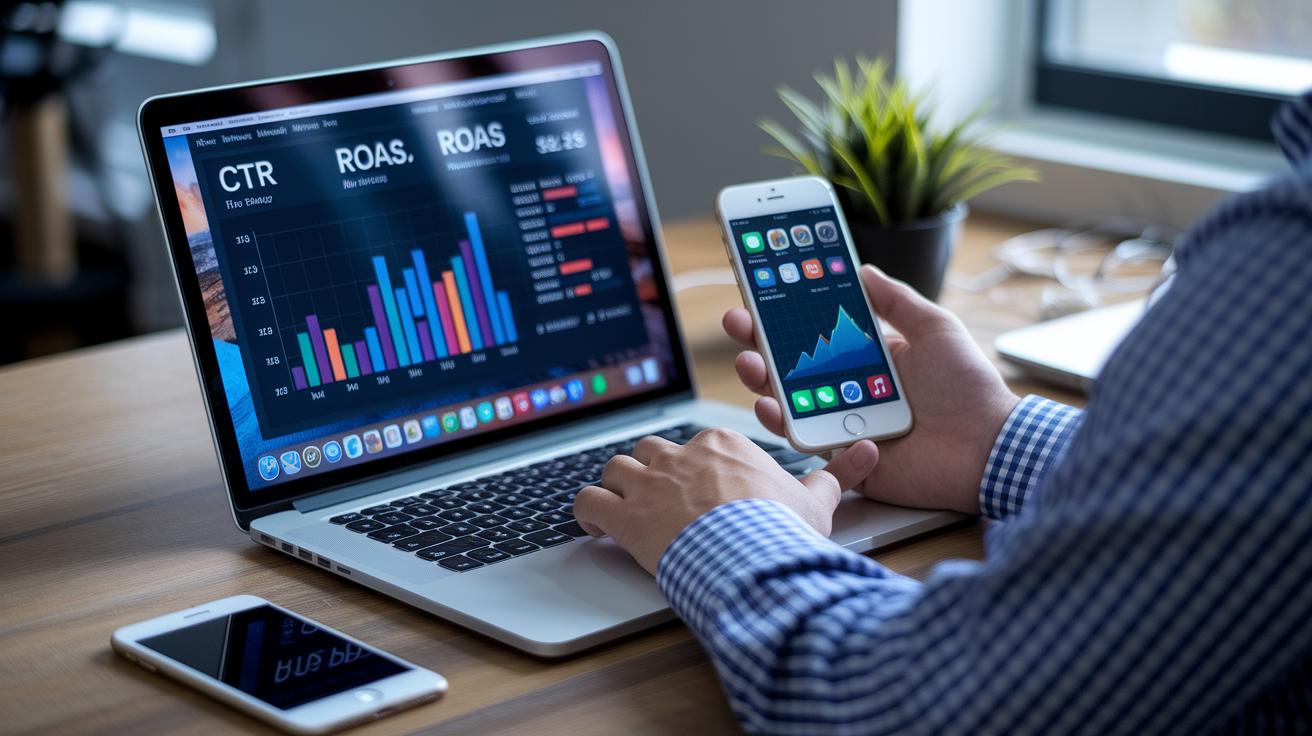
Evaluating geofencing ads is all about understanding solid numbers. First, there’s the click-through rate (CTR). You calculate it by dividing the number of clicks by the number of impressions and then multiplying by 100. For instance, if an ad earns 80 clicks from 8,000 impressions, that gives you a 1% CTR.
Then comes the conversion rate, which shows how many users take the action you want. You work it out by dividing the number of conversions by total visitors and multiplying by 100. Imagine 40 people out of 800 making a purchase, that’s a neat 5% conversion rate.
Next, return on ad spend (ROAS) shows how well your money is working for you. It compares the revenue generated to the campaign’s cost. So, if a campaign turns a $1,000 spend into $5,000 in sales, your ROAS is 5.
For even deeper insights, marketers use smart tools like incrementality tests and machine-learning models (basically techniques to pinpoint the real effect of location-triggered ads). Learn more about these techniques on our page about advertising effectiveness. These advanced methods help you make smarter decisions and continuously fine-tune your campaigns for better results.
Emerging Trends and Innovations in Geofencing Advertising
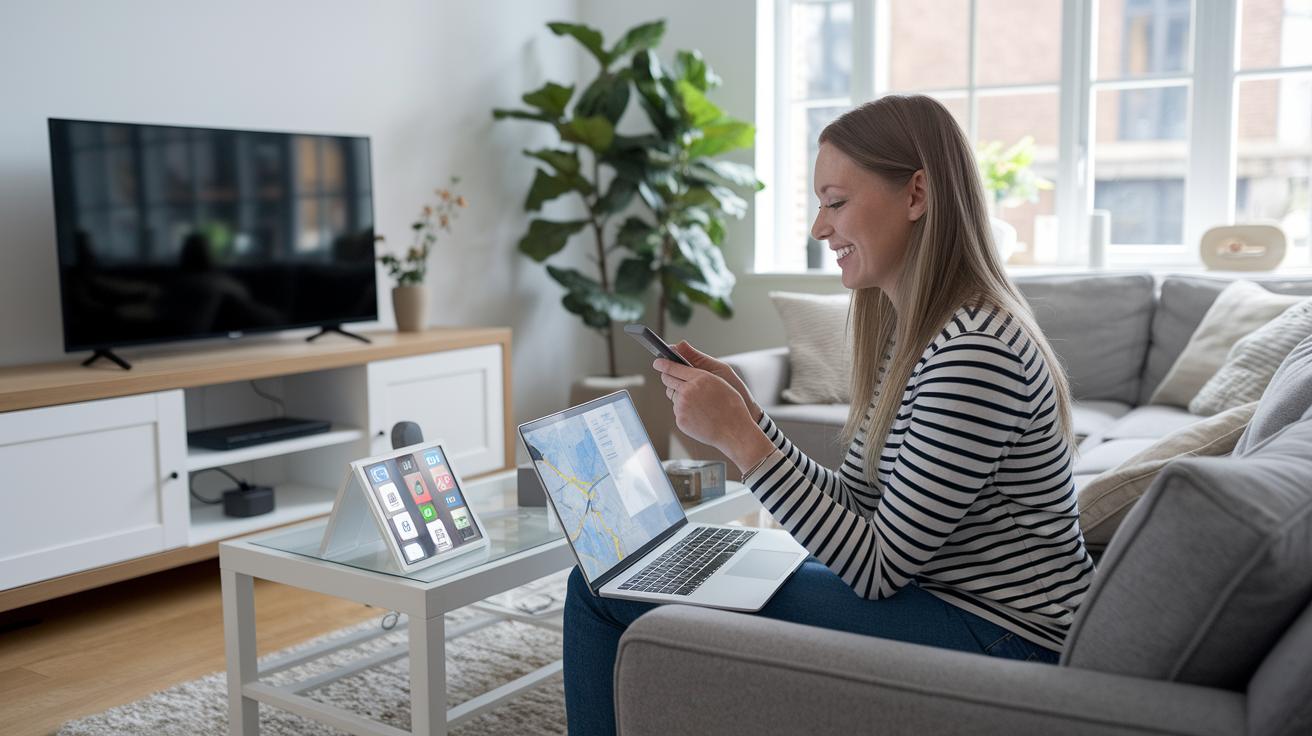
Geofencing advertising is broadening its scope beyond mobile devices. Now, your ads can follow viewers from their smart TVs to their desktops, delivering one seamless experience. AI-driven analytics, using tools like SKAdNetwork (Apple’s tool for tracking ad performance) and incrementality analysis (a method for measuring how much your ad truly contributes), are making campaign tweaks happen in real time.
Geofence boundaries have gotten smarter, too. They now shift with the flow of people and adapt to changes in the environment. Imagine a pop-up event where a retailer’s ad adjusts as foot traffic surges. Plus, blending geofencing with social media location targeting is powering omnichannel campaigns that meet consumers right where they are, merging digital and real-world moments effortlessly.
So, expect these innovations to deliver ad experiences that are personal and timely. They keep your strategies fresh, ensuring your marketing stays right on the pulse of today’s trends.
Final Words
In the action, geofencing advertising comes alive as marketers tap into real-time location signals to boost foot traffic and sales. This piece reviewed how geofencing works, from setting virtual boundaries to triggering tailored notifications, and examined its benefits through case studies and success examples. We also explored the setup process, performance metrics, and emerging trends that keep campaigns fresh. Every insight aims to support smarter, on-the-spot decisions and a forward-thinking approach in the digital space. There's plenty to build on, and the future feels bright.
FAQ
What is geofencing advertising?
The geofencing advertising uses virtual boundaries set by GPS, Wi-Fi, or cellular data to trigger location-based notifications, engaging high-intent audiences near physical retail spots.
What are some examples of geofencing ads?
The geofencing ads include travel apps sending real-time airport updates and grocery chains offering location-driven promotions that boost in-store visits with timely, targeted offers.
How do you use geofencing on platforms like Google Ads or Facebook?
The geofencing setup on Google Ads and Facebook involves defining virtual perimeters in their ad managers to deliver location-triggered notifications, connecting you to nearby customers instantly.
What strategies work well in geofencing advertising?
The geofencing strategy blends precise audience segmentation, accurately set boundaries, perfectly timed notifications, and value-based messaging to capture local consumer attention effectively.
What is the typical cost of geofencing advertising?
The geofencing cost depends on factors like radius size, target audience, and campaign duration, with many marketers finding the enhanced return justifies the investment in targeted outreach.
Who provides geofencing advertising services?
The geofencing services come from major ad platforms like Google Ads and Meta Ads Manager, as well as specialized companies offering advanced tools to run compelling location-based campaigns.
Is geofencing advertising legal in the US?
The geofencing method is legal in the US, as long as the advertisers follow privacy regulations and secure proper user consent to use location data effectively.