Is your marketing game ready for a big change? Picture algorithms that seem to know exactly what you need and platforms that grab your attention in an instant. Big shifts are here, smart AI innovations (that is, systems designed to mimic human thinking), the fun surge on TikTok, and shopping experiences that feel just right for you. Marketers are ditching old habits and embracing clear trends that spark fresh ideas and drive creative campaigns. Today, we explore how these shifts are powering bold innovations that pave the way for a more inventive future.
Key Emerging Marketing Trends Shaping Tomorrow's Strategies

Generative AI is stirring up the marketing world. Over 1,400 marketers are saying that smart AI in search engines is turning traditional strategies on their head for 2025. Think about it, back in the day, we relied on simple keyword targeting. Now, clever algorithms almost predict what you need before you even type your query.
TikTok is booming. With more than a billion users, it’s hard to ignore the platform’s vibrant energy. Brands are pouring resources into its interactive features as they look to connect with audiences in new, engaging ways.
Searches around "personalized marketing" have doubled in just five years. This trend shows that 36% of buyers want shopping experiences that feel tailor-made for them. It’s like brands are getting better at reading your mind, or at least your shopping habits.
Consumer data tells us something else too. About 82% of people favor brands that share their values, which has sparked a trend in brand-led marketing. On top of that, 21% of marketers say that short-form video is delivering the best return on investment. Meanwhile, 84% plan to ramp up their influencer marketing budgets in 2024, showing a strong push towards authentic, relatable voices.
Chatbots are jumping into the mix as well, linking different digital trends into smart, quick-response campaigns. And with new rules from data privacy regulators like GDPR (a set of rules to protect personal data in Europe) and changes from companies like Apple, brands are taking a fresh look at how they handle data. All of these shifts are part of a broader movement towards precision, personalization, and nimble strategy in digital marketing.
Generative AI and Tech Advancements in Marketing Trends
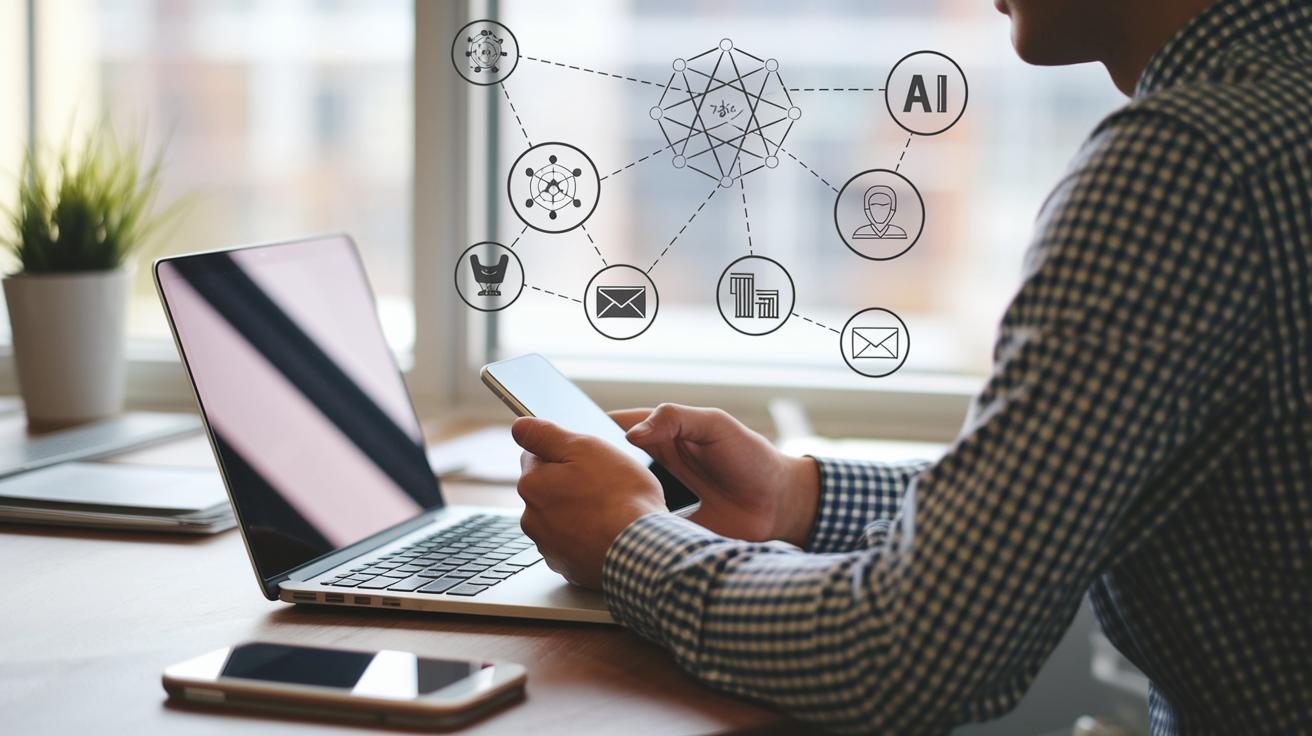
Nearly 90% of marketers plan to keep or even boost their AI spending next year. This shift shows just how much brands are leaning on technology to meet rising content needs. Generative AI is truly rewriting the rules of content creation, ad targeting, and even predicting market trends. Imagine launching a campaign that not only hits home but also seems to know what your audience craves, like the tool can almost read minds. Take car ads, for example: they once relied on plain, static images, but now smart AI crafts ads that change in real time as users interact.
AI-powered chatbots are stepping up too. They’re making interactions smoother and turbocharging lead generation by replying instantly. This mix of conversational tools adds a genuine, human feel to digital support, sort of like having a friendly chat over coffee instead of a formal, scripted exchange.
And then there’s the shift in search with AI integration. It’s completely changing how organic traffic works, so brands have to get creative with new optimization techniques. With AI-driven insights, businesses can personalize their outreach more deeply and use their budgets more wisely, ensuring every dollar lines up perfectly with shifting consumer habits. These tech breakthroughs are fueling bold innovations, helping brands stay nimble and ahead in today’s competitive market.
Social Media Developments and Influencer Dynamics in Marketing Trends
Nearly everyone in the U.S. is scrolling through a social platform these days, almost 90% of consumers are active somewhere online. TikTok, for example, has shot past 1 billion users and now stands as a go-to stage for brands eager to grab attention. Instagram, Facebook, and TikTok are now key players in social selling, where a simple interaction can lead straight to a sale.
Picture this: a brand that once leaned only on print ads now sees its sales spike from a quick 15-second TikTok clip. This isn’t a fluke, it reflects a bigger trend. Marketers are turning to user-generated content because it feels real and relatable. In fact, 84% are bumping up their budgets for influencers, trusting niche voices to bring an authentic, local vibe that big-name celebrities might miss.
At its heart, modern marketing is all about community. Brands aren’t just pushing products; they’re sparking conversations and creating cultural moments. Imagine hosting a block party where every chat and laugh builds trust and turns casual followers into loyal customers.
| Key Trends |
|---|
| Higher influencer budgets |
| Wider adoption of social selling |
| Genuine engagement from niche voices |
Data-Centric Tactics and Customer Journey in Emerging Marketing Trends

More than 36% of shoppers now expect a personalized experience, making consumer data analytics a must for every strategy. Marketers are gathering bits of data from different sources, a process often called tackling data debt, to build seamless online systems that offer clear insights. Think of a customer journey like a jigsaw puzzle: every click and past purchase adds a vital piece to the picture. For example, one retailer discovered that potential buyers check out 47% more content before reaching out, showing just how important rich data is to guide interactions.
Real-time analytics tools let marketers tweak their campaigns on the fly, kind of like adjusting a recipe mid-cook to suit evolving tastes. And as privacy laws lead to new, consent-based approaches, companies are shifting from basic tracking to refined, data-driven tactics that truly honor customer preferences. This smart mix of detailed journey mapping and flexible data use empowers brands to deliver personalized experiences while quickly adapting to market changes.
Interactive Advertising Moves and Video Content in Marketing Trends
Over the last decade, interest in video marketing has grown dramatically, a real game changer for brands. Today, short clips are stealing the show. In fact, 21% of marketing teams report that these bite-sized videos bring in the highest returns on their investment. Imagine this: before smart videos, grabbing a viewer’s attention was a challenge with boring static ads. Now, just a quick 15-second clip can ignite endless engagement.
Many advertisers are moving their budgets away from traditional TV spots and into platforms like YouTube, where viewers are more active and campaigns really perform. Plus, visual search tools, such as Google Lens (which lets you search using a photo), are gaining popularity. Picture this: you snap a photo of a trendy jacket and, in a flash, find a host of similar styles online.
Augmented reality ads are also making waves. These interactive experiences let you explore products in a virtual space. Think about it, what if an ad could overlay new furniture right into your living room? It makes choosing the perfect piece as simple as rearranging your own space.
These pioneering moves in interactive advertising are paving the way for seamless cross-platform communication. By merging engaging video content with innovative visuals, brands are capturing the attention of today’s savvy consumers like never before.
SEO Innovations and Voice Search in Marketing Trends

Artificial intelligence is reshaping how websites earn their spots in search results. Traditional SEO methods are getting a makeover as algorithms grow smarter, picking up on everyday language and true user needs. Picture an online store fine-tuning its content based on small shifts in search behavior, a savvy algorithm listens when a user asks, "Where can I find the best deals today?"
Voice searches on smartphones and smart speakers are booming. Every time someone inquires, "What are the top local cafes?" it underscores the need for marketers to perfect voice search optimization. Simple, natural answers are the key for search engines tuned into conversational language.
It's now essential to focus on schema markup and conversational copy. Think of it like chatting over a cup of coffee; if your content sounds natural, it connects better with search engines that understand human dialogue.
Meanwhile, interest in visual search is on the rise as users explore tools like Google Lens. This trend challenges brands to blend classic SEO with innovative search strategies, seizing prime opportunities in the voice-driven market.
Automation and Programmatic Buying in Marketing Trends

Automation now teams up with AI to create a unified marketing playbook that feels like a friendly coffee chat. Programmatic platforms adjust bids on the fly while creative AI builds ads that are unique and timely. Imagine a system that spins up a catchy slogan during a live bidding session, ads that really hit the mark.
Marketing automation is making lead nurturing smoother than ever with smart, step-by-step flows. Picture a situation where a personalized follow-up shows up right after a user engages, powered by real-time data insights and quick tests that sharpen your campaign.
AI chatbots now respond instantly, feeding back key customer insights that help teams fine-tune their strategies right then and there. Agile frameworks add another layer by supporting ongoing tests and small adjustments, merging automation with smart analytics to build campaigns that scale and adapt easily.
| Strategy | Example |
|---|---|
| Programmatic Ad Buying | Dynamic bidding adjusts ad spend based on live data |
| Marketing Automation | Real-time personalized follow-ups boost engagement |
| Chatbot Integrations | AI-powered responses gather and use customer data immediately |
| Agile Marketing Frameworks | Continuous testing refines creative content and messaging |
Quick tip: One campaign saw a 30% boost in engagement when it linked live bidding with AI-powered creative. Sometimes, a single smart tweak can turn everything around.
Forecasting Future Strategies in Emerging Marketing Trends

Marketers are getting ready for a new era where quick changes and deep consumer insights rule the day. A survey of over 1,400 industry pros shows a clear trend: Gen-Z and Millennials are stealing the spotlight, while Baby Boomer-focused tactics are taking a back seat. Brands are evolving by crafting campaigns that speak directly to these younger audiences using fresh, relatable language and media that truly click with their ever-shifting tastes.
Brands are also pouring more energy into campaigns that reflect strong values. With 82% of consumers leaning toward companies that share their ideals, messaging is shifting to embrace inclusivity and genuine connection. It’s not just about how things look on the surface; these shifts are laying the groundwork for a future market where diversity, equity, and inclusion aren’t optional, they’re essential for lasting success.
Looking ahead, trends point toward a steady rise in AR/VR marketing and eco-friendly brand strategies. Marketers are experimenting with rapid-response models that allow them to pivot quickly as social and tech trends evolve. Imagine a brand that whips up an immersive ad campaign in the blink of an eye during a trending event, this nimble approach is no longer an outlier but is becoming the norm.
Key trends to keep an eye on include blending real-time analytics into campaign management and continuously fine-tuning content to stay ahead in a hyper-competitive space. Such agile strategies are paving the way for marketing efforts that are not only innovative but also in tune with the fast-paced demands of tomorrow’s consumer.
Final Words
In the action, we recapped the data-backed shifts powering digital strategies. We touched on generative AI innovations, dynamic influencer platforms, short-form video ROI, and data-driven personalization. Each piece of insight points to a future where flexibility and smart analytics matter most. Keep an eye on emerging marketing trends as you refine campaigns and double down on strategies that truly resonate. Stay positive and ready to adapt; every new statistic and consumer insight builds a brighter, more interactive tomorrow.
FAQ
What are emerging marketing trends?
Emerging marketing trends include AI-powered content creation, personalized campaign strategies, and adaptive ad techniques. They reflect the shift toward tech-driven and data-centric approaches that boost campaign efficiency and customer engagement.
What are some examples of recent marketing trends?
Recent marketing trends feature enriching influencer spend, interactive video ads, and AI-enhanced chatbots. These trends demonstrate how brands are using innovative tactics to create engaging, personalized experiences.
What digital marketing trends are expected to dominate 2025?
Digital marketing trends for 2025 emphasize AI-enhanced content, automated ad buying, and refined data analytics. These strategies enable marketers to reach audiences more efficiently and tailor campaigns to evolving consumer demands.
What social media marketing trends will shape 2025?
Social media marketing trends for 2025 focus on platforms like TikTok with growing user bases, niche influencer collaborations, and immersive interactive ad formats. This evolution helps brands boost engagement and build authentic connections.
What are the 7 P’s of modern marketing?
The 7 P’s of modern marketing are product, price, place, promotion, people, process, and physical evidence. This framework guides marketers in creating well-rounded, customer-focused strategies that connect and inspire.
What is the newest form of marketing?
The newest form of marketing blends AI-driven personalization, interactive ad experiences, and dynamic content strategies. It uses advanced technology to create campaigns that resonate with target audiences on a deeper level.
How do digital marketing, content marketing, SEO, and artificial intelligence integrate in modern strategies?
Digital marketing, content, SEO, and artificial intelligence work together by enhancing online visibility, personalizing user experiences, and refining search strategies. This integration drives targeted outreach and improved campaign performance.