Ever thought about what happens when every team member is on the same page? Picture your brand’s voice coming together seamlessly on your website, social posts, emails, and live events. That’s what an integrated marketing strategy does, it ties all your channels into one smooth, unified message.
Think of it like a sports team winning by playing together. When your brand consistently tells the same story, it builds trust and loyalty with your audience. In this post, we dive into how keeping your messaging cohesive creates memorable experiences and drives real business success.
Integrated Marketing Strategy: Definition & Importance
An integrated marketing strategy, sometimes known as integrated marketing communications, is all about sharing one clear brand message wherever your customers encounter your brand. It starts with getting to know your customers, thinking about their needs before pushing for a sale. You blend websites, social media, emails, and live events to tell one seamless story about your brand. Imagine your whole team speaking in sync, even if they’re chatting with different audiences. For instance, a team might kick off a social media post with, “Ever noticed how our quality stands out?” to keep things consistent everywhere.
Unlike basic multichannel or omnichannel marketing, integrated marketing isn’t just about showing up on different platforms; it’s about ensuring every message reflects your brand’s core values and personality. Picture a retail brand that aligns its in-store promotions with social media updates and emails. It’s like giving customers a timely, personalized tip just when they need it, a small nudge that makes a big difference.
The benefits are hard to ignore. Brands that use this kind of cohesive strategy tend to see better conversion rates because their ads truly connect with what customers care about. According to a 2023 report, the top 5% of customers can generate up to 35% of an ecommerce store’s revenue when they consistently resonate with the brand message. Focusing on what customers truly need builds trust and loyalty, making every interaction memorable.
Integrated marketing does more than boost engagement, it cuts through the chaos of mixed messages. It creates a steady, relatable experience that invites customers to interact, convert, and stick around for the long haul.
Integrated Marketing Strategy Brings Cohesive Brand Success

Integrated marketing communications isn’t about chasing sales numbers, it’s all about truly addressing customer needs. Think of it like setting up a killer playlist: you select your favorite tracks (key content), map out a smooth flow (strategy) and hit play (launch) so every channel sings the same tune.
A well-oiled multi-platform communication system brings creative and technical talent together. Instead of having scattered messages on your website, social channels, or emails, everything ties together into one engaging narrative. Imagine a retail brand that sends out seasonal offers via email, boosts them with vivid social visuals, and reinforces them with eye-catching in-store displays. One big automotive brand even combined digital teasers with live events, sparking a 30% boost in engagement. This kind of clear alignment takes mixed messages out of the equation and builds real trust with customers.
Coordinated advertising efforts mean more than just managing different platforms, they amplify one strong story. Choosing the right channel is a key part of the marketing mix that pulls everything together.
| Channel | Message Approach |
|---|---|
| Teaser offers and personalized tips | |
| Social Media | Engaging visuals and real-time interactions |
| In-store | Interactive displays and live demos |
Integrated Marketing Strategy Development Process
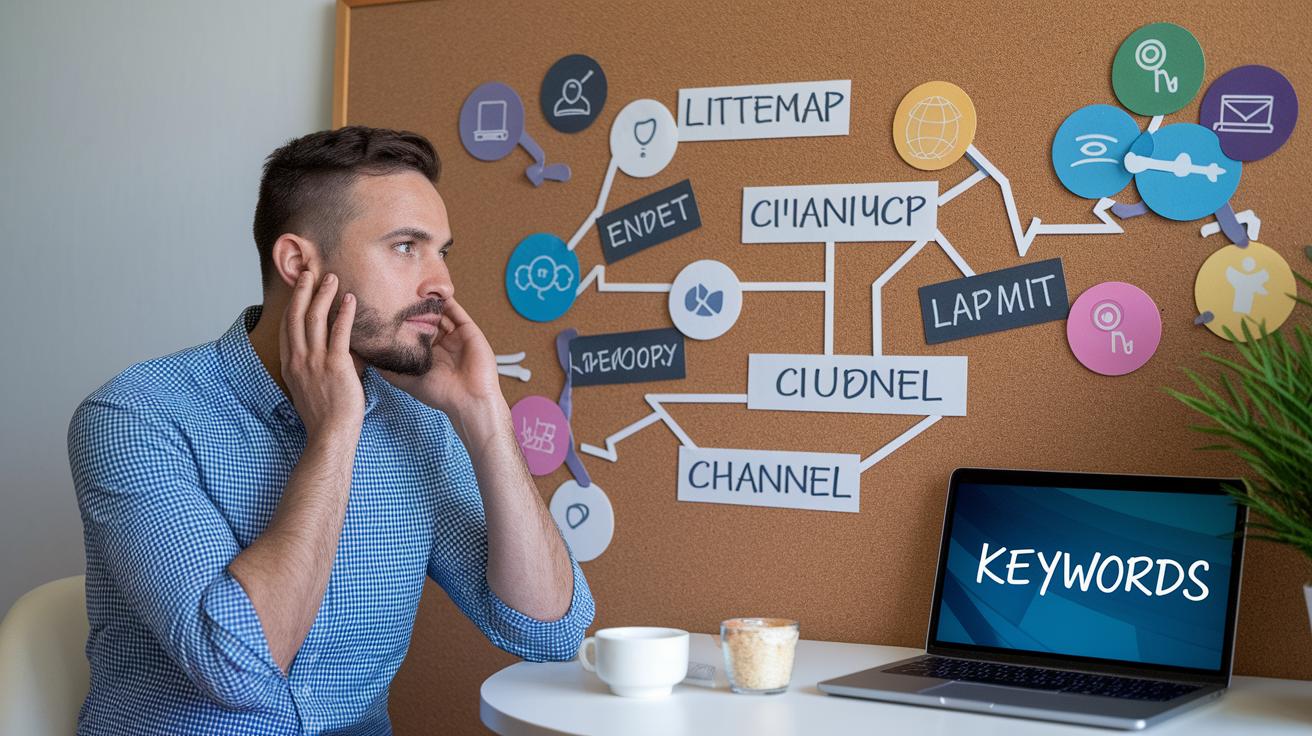
First, start by tapping into your customer’s voice. This means really listening to what your audience says about products and experiences. Ask open-ended questions or review survey feedback, imagine a market manager asking, “What is one feature you simply cannot live without?” This early insight sets a clear tone for every decision you make next.
Next, draw up a customer journey map that covers awareness, consideration, and conversion. Think of it like plotting a route that guides a customer from discovering your brand through a fun social post, to reading an insightful blog, and finally taking action after receiving a targeted email.
Then, dive into keyword research to uncover what your customers are searching for online. Use trusted tools to pinpoint phrases that really matter to your audience. For instance, a small cosmetics brand might learn that terms like “organic skincare tips” are hot, ensuring that their content hits the mark.
After that, focus on the specific information needs at every stage of your customer’s journey. Tailor your content to answer burning questions, picture a blog post clarifying, “How does this feature work?” right when interest is at its peak.
Next, adapt your messaging to match each marketing channel. A tweet might keep things light and playful, while an email would provide more detail. You can repurpose your core message by tweaking it to fit the tone of each platform, much like switching up your style for different friends.
Then, plan for effective lead capture and nurturing. Build in clear calls-to-action and set up automated follow-ups so potential leads get the right information at the right time. A simple prompt like, “See how other customers solved this,” can guide them along naturally.
Finally, launch your campaign and keep an eye on its performance with regular checks, weekly, monthly, and quarterly. Track your key performance indicators (KPI, which stands for Key Performance Indicator, or a specific measure of success) and use frequent, data-driven insights to adjust your tactics. This ongoing refinement ensures your campaign stays fresh, sharp, and truly in tune with your audience.
Integrated Marketing Strategy Tools & Tactics

Digital marketing never stops working for you. Scheduling your social media posts throughout the week sets a steady beat that your audience can count on. Sometimes a tweet like "New product alert: get ready for exclusive updates!" creates an instant buzz that grabs attention.
Customer stories and personalized website touches are game-changers in digital engagement. Imagine a customer sharing their own success story right on your product page, it's real proof of your brand’s value. Or picture a website that greets you by name with a friendly, "Great to see you back, check out these tailored picks!" Moments like these forge lasting, human connections.
Mixing immersive online experiences with smart retargeting brings ads to life. Think of browsing a vibrant online tour of your offerings, then later coming across a friendly ad that echoes the same look and feel, it’s like the campaign remembers your interest and guides you naturally toward a decision to buy.
Watching how competitors run their integrated marketing can spark new ideas for your strategy. If you see a rival’s social media campaign generating lively interactions, it might just inspire you to mix up your own content game.
Bringing digital channels together with offline activations creates a converged marketing mix that feels seamless. It’s like curating the perfect playlist that effortlessly takes your audience from discovery all the way to action.
Integrated Marketing Strategy in Action: Case Studies
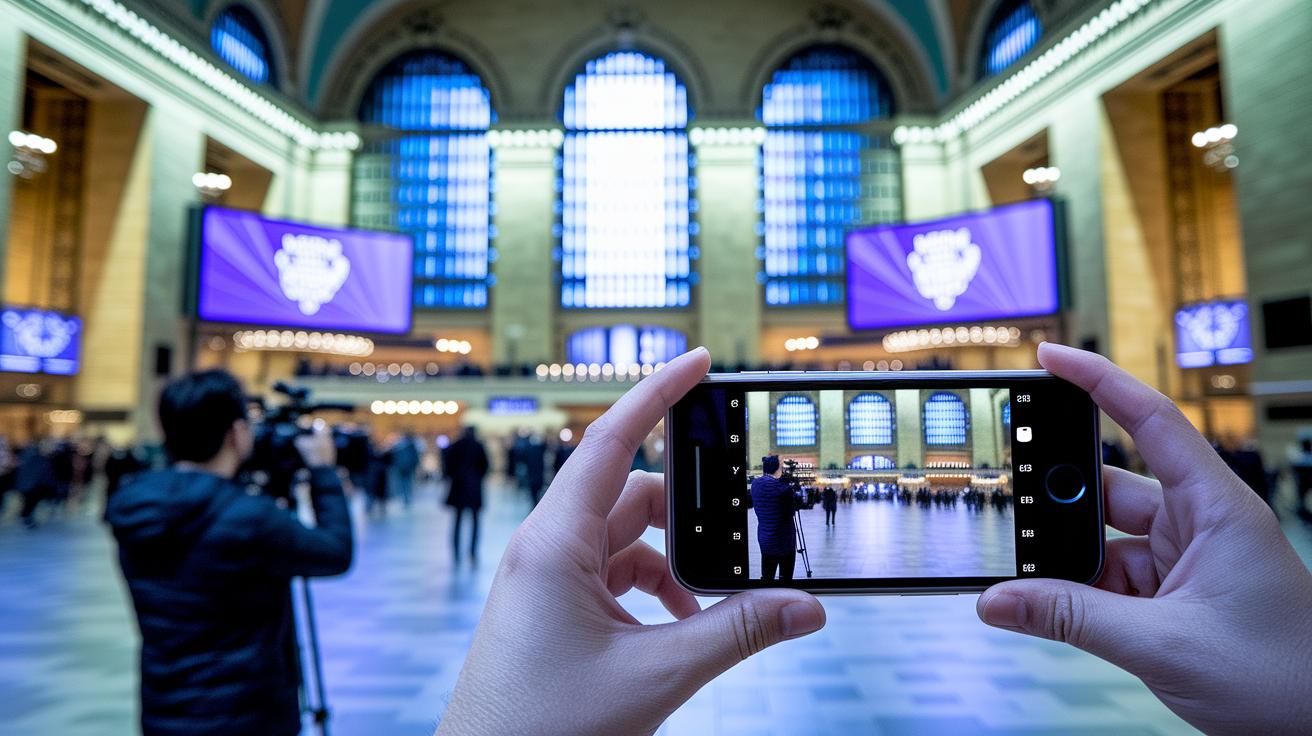
Apple TV+ pulled off a bold move with its Severance campaign at Grand Central Station. They combined eye-catching outdoor displays, an attention-grabbing live event, and smart social media posts all into one creative effort. It’s like a marketer saying, "We stirred up excitement before the show even premiered." This kind of synergy lit up conversations on the streets and online.
Duolingo also nailed digital integration. Their social media posts weren’t just fun, they actually drove app installs and raised awareness in a lively, engaging way. Picture a call-to-action like, "Join millions in learning a new language with us!" That clever approach grabbed attention and deepened user interaction with messages that really hit home.
Mattel showed off a smart partnership strategy with the Barbie movie launch in 2023. They skillfully coordinated film trailers, influencer outreach, and retail displays, connecting a wide range of audiences seamlessly. Imagine a message saying, "Step into the world of Barbie, where every detail tells a story." It’s proof that well-crafted storytelling can bridge digital screens and physical stores.
Coca-Cola and Oreo teamed up to keep their brands in total sync. Their campaign linked familiar visuals with playful in-store and online posts, using phrases like, "Taste the fusion of fun and flavor" to spark curiosity and nurture loyalty.
Spotify’s annual Wrapped campaign stands out by blending emails, social media posts, mobile notifications, and even out-of-home ads into one striking story that celebrates users’ listening habits. This all-in-one approach highlights favorite features while paving the way for future digital integrations.
For more insights on these dynamic campaigns, check out the marketing campaign examples at https://adruckus.com?p=258. Each case study shows how mixing various marketing channels creates one cohesive, engaging brand story that truly resonates.
Integrated Marketing Strategy Performance & Optimization

When you run an integrated marketing campaign, measuring how it performs is essential. Regular surveys give you real-time insights into what truly clicked with your audience. For example, you might ask, "What part of our campaign grabbed your attention?" This quick feedback is key.
Tracking ROI metrics shows you which marketing efforts hit the mark and which ones might need a tweak. Comparing the impact of various channels lets you shift resources with confidence to amp up the overall campaign. And with A/B testing (comparing two versions to see which works better) and live analytics dashboards, you get instant data that drives smarter choices.
Using multi-touch attribution modeling makes sure every channel gets credit in the conversion journey. With this approach, you see how touch points like social media, emails, and live events come together to guide customers along the funnel. Regular A/B tests help create a cycle of continuous improvement in your conversion rates.
Bringing creative and data teams together can really boost your campaign. When strategy, creative, and data pros collaborate, they refine the campaign from every angle.
| Metric | Purpose |
|---|---|
| ROI Metrics | Evaluate campaign impact |
| A/B Testing | Optimize conversion rates |
Final Words
In the action, we covered the essentials of an integrated marketing strategy, from aligning messaging across all platforms to mapping out customer journeys and measuring campaign performance. We explored how a seamless approach drives higher engagement and boosts conversion rates.
By blending creative campaigns with smart performance analytics, every step in creating a unified brand story helps build lasting customer bonds. Keep experimenting, stay focused, and watch your marketing tactics evolve for lasting impact.
FAQ
What is an integrated marketing strategy template and example?
An integrated marketing strategy template outlines steps to align messages across platforms, like using consistent social media, email, and live events. An example would detail customer journey mapping and coordinated channel planning for seamless brand communication.
What is integrated marketing communication?
Integrated marketing communication is a unified approach that delivers consistent brand messages across all channels. It focuses on meeting customer needs while building resonance and clarity in every marketing touchpoint.
How do integrated marketing channels work and what are their types?
Integrated marketing channels work by coordinating methods like social media, email, offline ads, and events. Types include digital platforms, print media, and in-person experiences, all promoting a uniform brand story.
What is meant by the integrated marketing mix?
The integrated marketing mix blends creative elements, media selections, digital strategies, and traditional advertising. It creates a cohesive narrative, ensuring the brand’s voice is consistently reflected across all promotional efforts.
How does integrated marketing compare to omnichannel marketing?
Integrated marketing focuses on a unified message across channels, while omnichannel marketing ensures a seamless customer experience across diverse touchpoints. Both aim for consistency, yet they cater to different aspects of consumer engagement.
What types of integrated marketing jobs exist?
Integrated marketing jobs include roles like marketing strategist, communication manager, digital marketer, and brand coordinator. These positions focus on aligning messaging and coordinating campaigns across multiple platforms.
What are the 4 P’s of integrated marketing?
The 4 P’s of integrated marketing address product, price, place, and promotion. Each element is blended across channels, ensuring the brand’s core values and message remain clear to its audience.
What are the 4 pillars of IMC?
The 4 pillars of integrated marketing communications include consistent messaging, channel synergy, unified creative direction, and a customer-centric approach that builds trust and engagement with the brand.
What are the 8 tools of IMC?
The 8 tools of integrated marketing communications include advertising, public relations, social media, direct marketing, sales promotion, events, online content, and personal selling—all designed to create a complete and connected brand narrative.
What is performance marketing?
Performance marketing measures campaign success through leads, sales, and conversion rates. It emphasizes data-driven strategies, ensuring each integrated channel demonstrates a clear and tangible return on investment.